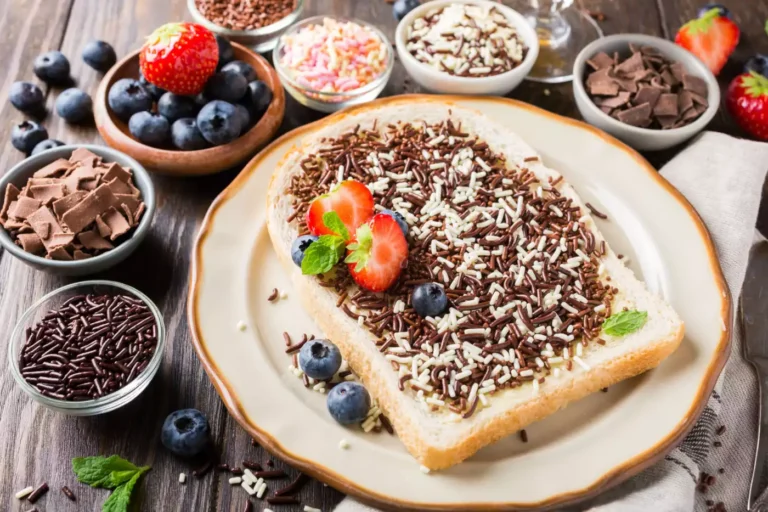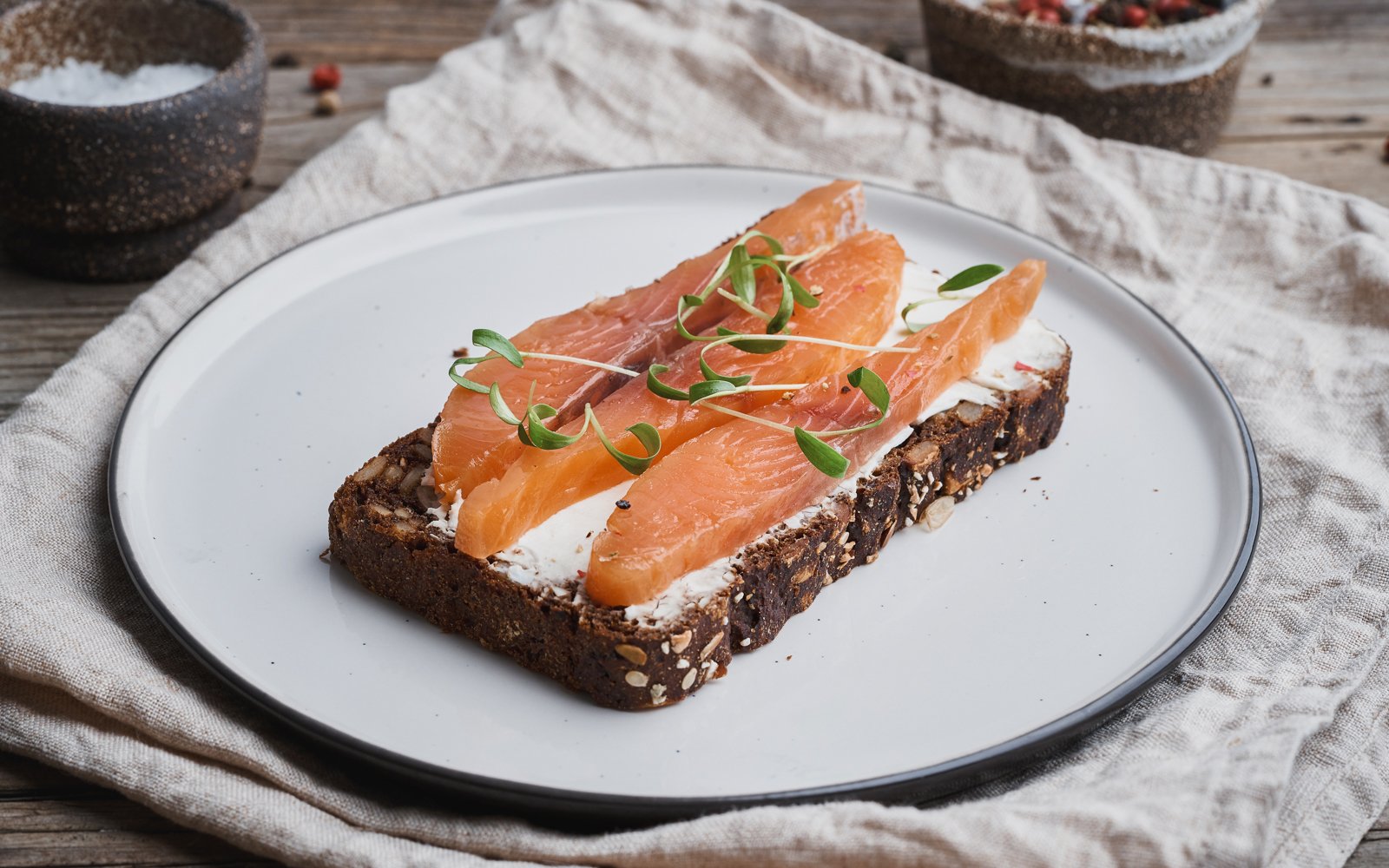
I still remember the first time I sank my teeth into a proper smørrebrød in a tiny Copenhagen café. The rye bread was dense and tangy, the pickled herring sharp and briny, and suddenly, everything clicked. Danish food isn’t just fuel—it’s a window into a culture that values simplicity, seasonality, and that cozy feeling Danes call hygge. If you’re planning a trip to Denmark or just curious about what makes their cuisine tick, this guide has you covered. From hearty classics to cutting-edge New Nordic plates, I’ll walk you through it all, with tips drawn from my own travels and chats with locals.
The Roots of Danish Cuisine: From Peasant Fare to Global Acclaim
Danish food has humble beginnings, shaped by the country’s cold climate, fertile farms, and endless coastline. For centuries, Danes relied on what the land and sea provided: pork from hardy pigs, potatoes that thrived in short summers, and fish pulled fresh from the Baltic and North Seas. Industrialization in the 1800s brought new techniques like meat grinders and wood stoves, turning simple staples into iconic dishes.
Today, Denmark punches way above its weight in the food world, thanks to innovators like René Redzepi at Noma. But the soul remains the same—practical, flavorful, and meant to be shared.
Essential Ingredients That Power Danish Cooking
At its core, Danish cuisine is about balance: rich proteins paired with earthy carbs and bright pickles. Rye flour, butter, and cream are non-negotiables, while foraged herbs and berries add that Nordic edge.
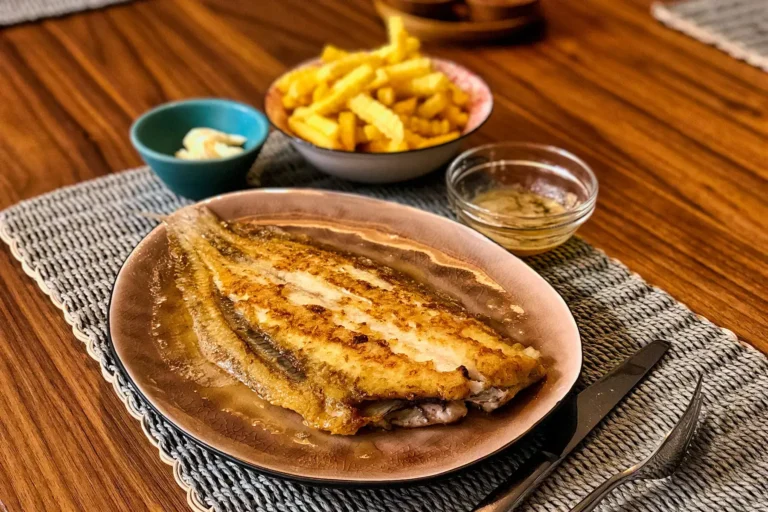
Pork reigns supreme—Danes eat more of it per capita than almost anyone else. Herring and plaice from the sea keep things light in summer. And don’t sleep on the dairy; fresh cheeses and cultured butter elevate even the simplest meal.
Rye Bread: The Foundation of Every Danish Table
Rugbrød, or rye bread, is the unsung hero of Danish eating. Dense, dark, and packed with seeds, it’s baked with a sourdough tang that cuts through fatty toppings. No wonder it’s the base for nearly every smørrebrød.
Locals slice it thin and slather it with butter—real Danish butter, creamy and slightly sweet. It’s not just bread; it’s a cultural staple that lasts for days and fuels long winters.
Pork: The Star of Denmark’s Hearty Classics
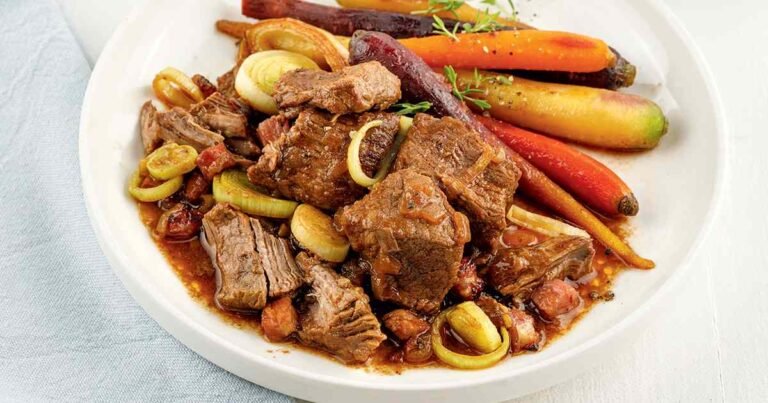
Pork shows up everywhere in Danish food, from crispy cracklings to juicy meatballs. It’s affordable, versatile, and tied to the country’s farming heritage. Think of it as the Danish equivalent of olive oil in Italy—ubiquitous and beloved.
Whether roasted for Christmas or fried for a weeknight dinner, pork brings that satisfying crunch and depth that keeps Danes coming back.
Traditional Danish Dishes You Absolutely Must Try
Diving into Danish classics is like meeting old friends—comforting, unpretentious, and full of stories. Start with these, and you’ll understand why Danes eat the way they do.
Smørrebrød: Open-Faced Sandwiches That Tell a Story
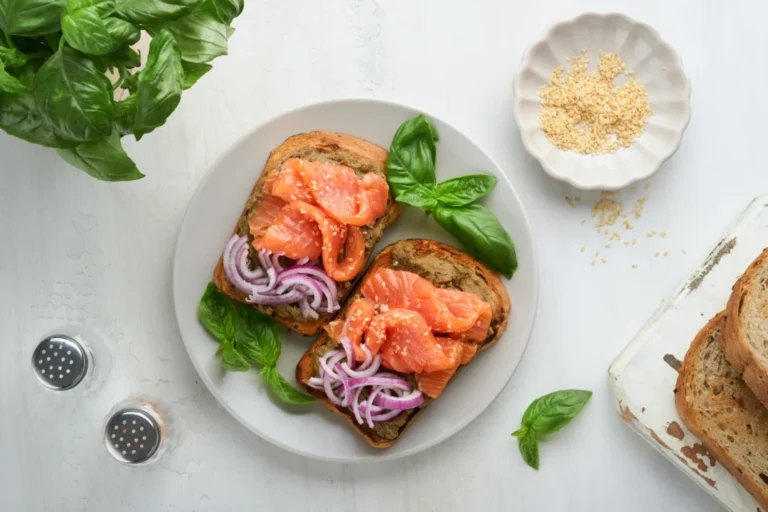
Smørrebrød might look simple, but each one is a masterpiece of balance. A slice of buttered rye bread piled high with toppings like pickled herring, roast beef, or shrimp salad—eaten with a knife and fork, mind you.
I once tried to eat one like a regular sandwich in front of a local, and the look I got! It’s all about the layers: creamy, crunchy, tangy. Perfect for lunch, and a great intro to Danish flavors.
Stegt Flæsk: Denmark’s National Dish of Crispy Pork Perfection
Stegt flæsk med persillesovs is Denmark’s voted national dish—fried pork belly so crispy it shatters, served with boiled potatoes and a silky parsley sauce.
The first time I had it, on a rainy night in Jutland, it felt like a warm hug. It’s rich, but the bright sauce cuts the fat. Look for it in family-run spots; some even do all-you-can-eat versions.
Frikadeller: Juicy Meatballs That Bridge Lunch and Dinner
Frikadeller are pan-fried meatballs, usually a mix of pork and veal, seasoned simply with onion and herbs. They’re crispy outside, tender inside, and often paired with potatoes and gravy.
My Danish friend swears by them for picnics—cold on rye bread the next day. They’re the ultimate crowd-pleaser, showing up at everything from weddings to weekday suppers.
Hot Dogs: Street Food Elevated to an Art Form
Danish hot dogs, or pølser, are no afterthought. The classic rød pølse (red sausage) comes in a bun with mustard, ketchup, remoulade, onions, and pickles—eaten from a pølsevogn cart.
Standing in line at one of these wagons, watching the vendor flip sausages, is pure hygge. It’s quick, cheap, and surprisingly addictive.
Flæskesteg: Roast Pork for Festive Feasts
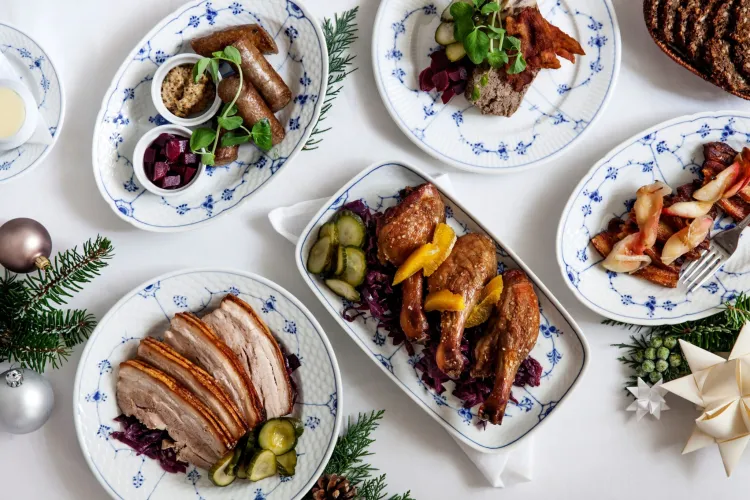
Flæskesteg is the star of Christmas dinners: pork roast with crackling skin, served with caramelized potatoes and red cabbage.
Even outside holidays, you’ll find it in sandwiches. The combo of sweet, savory, and tangy is why Danes gather around it year-round.
The Danish Meal Structure: How Locals Eat All Day
Danes keep it structured but relaxed. Breakfast is light and sweet, lunch is all about smørrebrød, and dinner brings the family together over warm plates.
Snacks? Pastries and coffee, always. It’s a rhythm that turns eating into a daily ritual.
| Meal | Typical Foods | Pro Tip |
|---|---|---|
| Breakfast | Wienerbrød, rye bread with cheese, yogurt | Grab from a bakery for the freshest |
| Lunch | Smørrebrød, herring | Order 3-4 varieties to share |
| Dinner | Meatballs, pork roast, potatoes | Pair with local beer |
| Dessert | Apple cake or rice pudding | Save room—it’s worth it |
New Nordic Cuisine: Where Tradition Meets Innovation
New Nordic isn’t a rejection of the old—it’s an elevation. Chefs like those at Noma forage for wild herbs, ferment everything, and plate with precision, all while honoring local roots.
The 2004 manifesto changed everything, pushing for purity and seasonality. It’s why Denmark has dozens of Michelin stars now.
Where to Eat Authentic Danish Food in Denmark
Copenhagen is the epicenter, but every region has its gems. In the capital, hit Aamanns for elevated smørrebrød or Schønnemann for classics with a twist.
For New Nordic, book Noma months ahead. Outside the city? Try family spots in Aarhus or oyster safaris in Jutland.
Top Picks by City:
- Copenhagen: Hallernes Smørrebrød for market vibes; Meyers Bakery for pastries.
- Aarhus: Street food halls for modern takes.
- Odense: Cozy cafés with Hans Christian Andersen flair.
Danish Drinks: The Perfect Pairings
No Danish meal is complete without a drink. Beer is king—Carlsberg and craft brews from Mikkeller. Snaps (aquavit) is the shot that loosens tongues.
Coffee? Danes drink it like water, strong and black. And for sweets, try elderflower cordial.
Quick Guide to Toasting:
- Say “Skål!” and look everyone in the eye.
- Snaps with herring? Mandatory.
Sweets and Pastries: The Indulgent Side of Hygge
Wienerbrød—those flaky Danish pastries—aren’t just breakfast; they’re a way of life. From kanelsnegl (cinnamon snails) to spandauer (custard-filled), they’re buttery perfection.
Desserts like æblekage (apple cake) or risalamande (rice pudding) end meals on a high note. Pro tip: Wednesday is “cinnamon bun day” in many spots.
Pros and Cons of Danish Cuisine
Pros:
- Super fresh and seasonal ingredients.
- Hygge dining experiences that feel welcoming.
- Variety from hearty to light.
Cons:
- Can be pork-heavy for vegetarians.
- Fine dining gets pricey (but worth it).
- Portions are generous—pace yourself!
People Also Ask: Quick Answers to Common Questions
What is the national dish of Denmark?
Stegt flæsk med persillesovs—crispy pork with parsley sauce and potatoes. It’s a poll winner and a comfort food staple.
Is Danish food healthy?
It can be! Focus on the fish and veggies, but classics are hearty. New Nordic leans lighter.
What do Danes eat for breakfast?
Pastries, rye bread with toppings, or porridge. Coffee is non-negotiable.
Where’s the best smørrebrød in Copenhagen?
Aamanns or Selma—both nail the classics with modern flair.
Are Danish pastries really from Denmark?
Yes, but the technique came from Austrian bakers in the 1800s. Danes made them their own.
FAQ: Everything Else You Need to Know
What’s the best way to experience Danish food on a budget?
Hit hot dog stands, bakeries, and supermarket rye bread. Smørrebrød lunches are affordable and filling.
How do I order like a local?
Ask for “smørrebrød” by topping (e.g., “sild” for herring). For drinks, “en øl” gets you a beer.
Is there vegetarian Danish food?
Yes—fiskefrikadeller (fish cakes), potato smørrebrød, and New Nordic spots offer plant-based options.
What should I bring home as a souvenir?
Licorice from Lakrids, or a jar of remoulade. Both capture the Danish spirit.
Can I cook Danish food at home?
Absolutely. Start with frikadeller—simple ingredients, big payoff.
Danish food isn’t flashy, but it sticks with you. It’s the kind of eating that makes you slow down, laugh with friends, and appreciate the moment. Next time you’re in Denmark, skip the tourist traps and go local. Your taste buds—and your soul—will thank you.