Belgium’s food scene often gets reduced to a few headline acts: chocolate, waffles, fries, and beer. But if you’ve ever wandered the cobblestone streets of Bruges on a chilly evening or sat in a cozy Brussels brasserie watching rain streak the windows, you know there’s so much more depth here. Belgian cuisine pulls from French finesse, German heartiness, and Dutch practicality, creating dishes that feel both refined and deeply comforting. It’s hearty without being heavy-handed, flavorful without overwhelming. And honestly, after my first trip there years ago—when I accidentally ordered a massive pot of mussels thinking it was for two and ended up happily defeated—I realized you can’t truly “do” Belgium without diving into its traditional plates.
This guide focuses on the must-try dishes that locals actually eat and visitors rave about. We’ll cover classics like moules-frites (the undisputed national dish) and lesser-known gems like waterzooi or stoofvlees, plus sweets and sides that round out the experience. Whether you’re planning a trip to Brussels, Ghent, Antwerp, or Bruges, these are the foods that make Belgium unforgettable.
Why Belgian Food Feels Like Home (Even If You’ve Never Been)
Belgian cooking emphasizes fresh, local ingredients—North Sea seafood, seasonal vegetables, rich dairy, and, of course, those legendary beers. Portions tend toward generous, reflecting a culture that values sharing meals with friends or family. Many dishes have regional roots: Flemish stews in the north, creamy preparations in Ghent, sweeter treats from Liège in the south. The result? A cuisine that’s varied yet cohesive, perfect for travelers who want authenticity without fuss.
One thing that always strikes me is how beer isn’t just a drink—it’s an ingredient. Monks have brewed here for centuries, and that tradition infuses everything from stews to sauces. Pairing food with beer feels natural, not forced.
Moules-Frites: The National Dish You Can’t Skip
If Belgium had an official postcard food, moules-frites would be it. Steamed mussels served in a big pot with a mountain of golden fries on the side—simple, but executed to perfection.
The mussels come from the North Sea, plump and briny, usually cooked in white wine with shallots, garlic, celery, and parsley. Some spots add cream for a richer version, or beer for extra depth. The fries? Double-fried for that signature crisp exterior and fluffy inside—never soggy. Dip them in mayonnaise (the Belgian way) or one of dozens of sauces.
I remember my first bowl in Bruges at a tiny spot near the Markt square. The waiter plunked down this steaming cauldron, and I thought, “This is for the table?” Nope—just for me. I used empty shells as tongs, just like the locals do, and savored every bite. It’s messy, communal, and ridiculously satisfying. Best enjoyed September to April when mussels are in peak season.
Where to try: Chez Léon in Brussels for the classic experience, or smaller brasseries in coastal towns like Ostend for fresher catches.
Belgian Fries (Frites): Yes, They’re Belgian, Not French
Forget what you’ve heard—fries originated in Belgium, not France. The story goes that poor villagers along the Meuse River fried potato strips in the 17th century, and the habit spread.
What makes them special? They’re thick-cut, double-fried (first at lower temp to cook through, then higher for crunch), often in beef tallow for extra flavor. Served in paper cones from friteries (fry stands), with a dizzying array of sauces: mayonnaise, andalouse (spicy mayo-ketchup mix), samurai (hot sauce blend), or plain tartar.
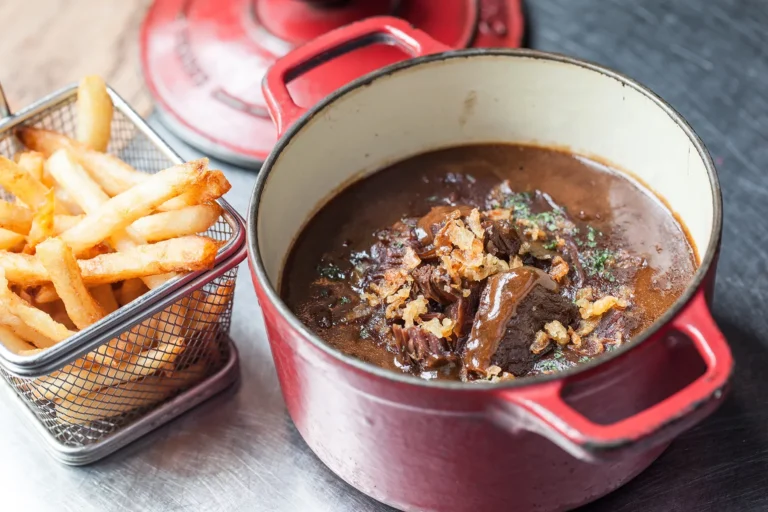
No trip is complete without hitting a friterie. My go-to ritual: grab a cone with stoofvlees (beef stew) on top—pure comfort.
Pros of Belgian frites:
- Crispy yet fluffy texture
- Endless sauce options
- Affordable street food
Cons:
- Can be addictive—watch your portions!
Waffles: Brussels vs. Liège Styles
Belgian waffles aren’t one thing. There are two main types, and confusing them is a rookie mistake.
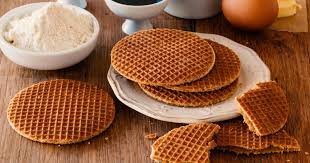
Brussels waffles are light, rectangular, with deep pockets—perfect for toppings like whipped cream, strawberries, or chocolate. They’re airy and often eaten as a snack or dessert.
Liège waffles are denser, oval-shaped, studded with pearl sugar that caramelizes on the outside for a crunchy, chewy bite. Eat them plain or with a dusting of powdered sugar—they’re sweet enough on their own.
I once stood in line at a Ghent street stand for Liège waffles on a cold morning. The vendor handed me one straight off the iron, and the warm sugar pearls melted on my tongue. Heaven. No toppings needed.
Comparison table:
| Feature | Brussels Waffle | Liège Waffle |
|---|---|---|
| Shape | Rectangular | Oval/Irregular |
| Texture | Light, crispy edges | Dense, chewy |
| Sugar | None in batter | Pearl sugar chunks |
| Best eaten | With toppings | Plain or lightly dusted |
| Origin | Brussels region | Liège (Wallonia) |
Chocolate: From Pralines to Truffles
Belgium produces some of the world’s finest chocolate, thanks to innovations like the praline (invented in 1912 by Jean Neuhaus). Expect high cocoa content, smooth textures, and creative fillings—ganache, praliné, fruit, even speculoos.
Brands like Neuhaus, Pierre Marcolini, Godiva, and Leonidas dominate, but small artisan shops often surprise. Try a box of assorted pralines or hot chocolate thick enough to stand a spoon in.
Fun fact: Belgians eat about 12kg of chocolate per person yearly—more than most countries.
Stoofvlees (Carbonnade Flamande): The Ultimate Comfort Stew
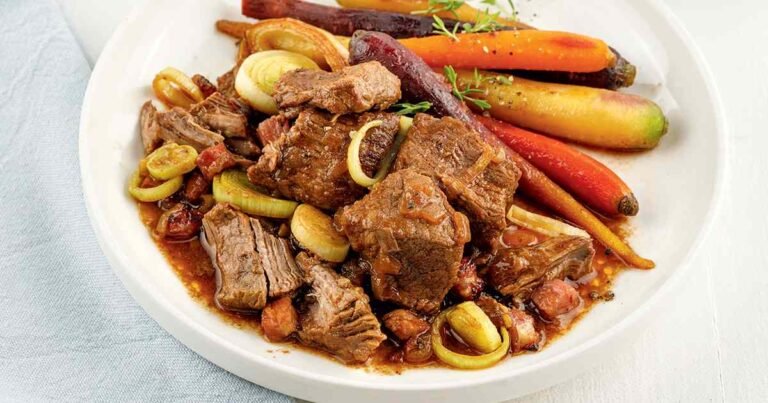
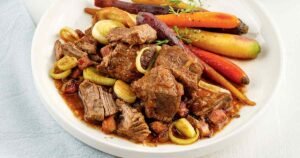
This Flemish beef stew simmers for hours in dark beer, onions, and spices until the meat falls apart. Sweet from caramelized onions and beer, tangy from mustard or vinegar—it’s rich without being greasy.
Served with fries or bread to soak up the sauce. Perfect on rainy days.
I tried it in a family-run spot in Antwerp; the owner insisted on pairing it with a local Trappist beer. The flavors melded perfectly. It’s one of those dishes that warms you from the inside out.
Waterzooi: Ghent’s Creamy Classic
Originating in Ghent, waterzooi (“water boil”) is a gentle stew—chicken or fish poached in broth with leeks, carrots, celery, then enriched with cream and egg yolks. It’s lighter than it sounds, almost soup-like but hearty.
The chicken version is more common now. Eat it with bread or potatoes.
Other Must-Try Dishes
- Speculoos: Spiced biscuits (cinnamon, nutmeg) often crumbled over ice cream or as a spread.
- Chicons au gratin: Endive wrapped in ham, baked with cheese sauce—comfort food at its best.
- Boulets à la Liégeoise: Meatballs in sweet-sour Liège syrup sauce.
- Filet Américain: Raw beef tartare, seasoned—bold but beloved.
Belgian Beer: The Perfect Pairing
With over 1,500 varieties, beer is essential. Trappist ales (Westmalle, Chimay), lambics (sour, fruity), dubbels, tripels—many dishes use them in cooking.
Try a flight at a café or abbey brewery.
People Also Ask (PAA) Section
What is the most famous food in Belgium?
Moules-frites tops the list, followed closely by waffles, fries, and chocolate.
Are Belgian fries really better?
Yes—double-fried, often in beef fat, with superior texture and flavor.
What is a traditional Belgian breakfast?
Bread with spreads like speculoos or chocolate, cheese, cold cuts, coffee.
Do Belgians eat horse meat?
Yes, in some regions—filet de cheval is a delicacy, though less common now.
What’s the difference between Brussels and Liège waffles?
Brussels: light, no sugar in batter; Liège: dense, pearl sugar for caramelization.
FAQ
What are the must-try traditional dishes in Belgium?
Start with moules-frites, stoofvlees, waterzooi, Belgian fries, and waffles (both styles). Add chocolate and beer for the full experience.
Where can I find authentic moules-frites?
Brasseries in Brussels (Chez Léon), coastal areas, or Ghent markets—look for fresh mussels.
Is Belgian food expensive?
Not really—friteries and markets are cheap; sit-down meals are reasonable compared to France.
Are there vegetarian options in traditional Belgian cuisine?
Fries, waffles, stoemp (mashed veggies), and some cheeses work; ask for adaptations in stews.
What’s the best time to visit for food?
Mussel season (Sept–April) or winter for hearty stews; summer for outdoor friteries.
Belgium rewards the curious eater. Skip the tourist traps, seek out local spots, and let the food tell its story. You won’t leave hungry—or unchanged. Safe travels, and eet smakelijk!