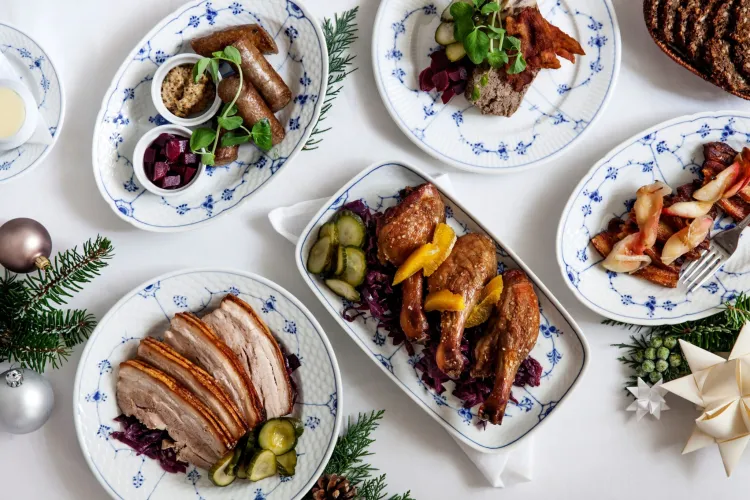
I still remember the first time I sank my teeth into a fresh stroopwafel in a tiny bakery off the Keizersgracht in Amsterdam. The caramel syrup oozed out just right, warm from sitting on a steaming cup of coffee, and in that moment, I understood why Dutch food isn’t about fancy techniques or exotic spices—it’s about comfort, simplicity, and that unshakeable feeling of home. As someone who’s wandered the cobblestone streets of Utrecht, biked through the tulip fields of Lisse, and shared family-style meals in Groningen, I’ve fallen hard for these 25 traditional Dutch dishes and desserts. They’re the backbone of everyday eating here, born from a land of flat polders, endless dairy farms, and a seafaring history that brought in everything from Indonesian influences to fresh North Sea catches.
Dutch cuisine gets a bad rap sometimes—people call it bland or basic—but that’s missing the point. It’s hearty food designed for long winters and hardworking lives, using what’s abundant: potatoes, root veggies, cheese, and whatever the sea or fields provide. Sure, it’s evolved with global twists, but the classics? They’re timeless. Whether you’re planning your first trip to the Netherlands or just craving a taste of gezelligheid (that cozy Dutch vibe) at home, these dishes deliver big flavor with zero fuss. Let’s dive in.
The Heart of Dutch Eating: Simple Ingredients, Big Flavors
Dutch food tells the story of a practical people who turned necessity into national treasures. Potatoes arrived in the 16th century and became the star of dinner tables, mashed with greens and topped with sausage. Fish from the cold waters fueled coastal towns, while cheeses from the lush pastures made the Dutch the world’s dairy kings. And desserts? They’re the sweet payoff after a day of cycling against the wind. What sets it apart is the balance—savory mains that stick to your ribs, paired with indulgent sweets that feel like a hug. I’ve hosted Dutch friends for dinner back home, and they always light up at the sight of stamppot. It’s not gourmet, but it’s real.
Stamppot: The Ultimate One-Pot Wonder
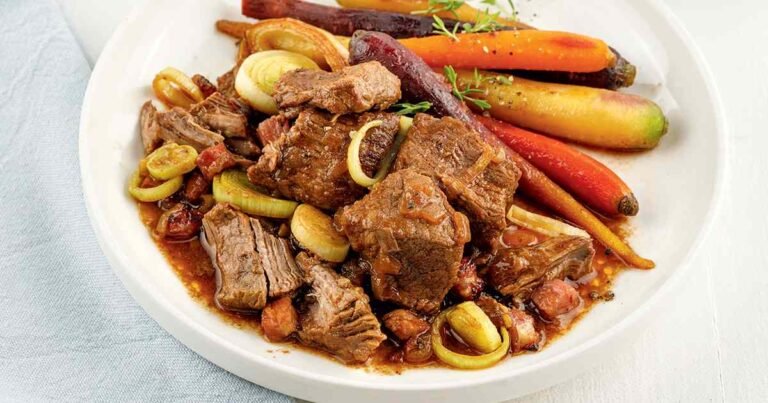
Stamppot is the undisputed champion of Dutch home cooking, a mashed potato base loaded with seasonal vegetables and always served with a smoky sausage on the side. It’s the dish your oma (grandma) makes when the rain won’t stop, and it’s been a staple since the 1600s. Creamy, earthy, and endlessly customizable, one bite transports you to a farmhouse kitchen.
- Boerenkool Stamppot: Kale mashed with spuds, gravy, and rookworst—perfect for chilly evenings.
- Hutspot: Carrots, onions, and potatoes with a hint of sweetness, traditionally eaten on October 3 to celebrate Leiden’s liberation.
- Zuurkool Stamppot: Tangy sauerkraut for a zesty kick, often with crispy bacon bits.
| Stamppot Type | Key Veggies | Best Paired With | Season |
|---|---|---|---|
| Boerenkool | Kale | Rookworst, mustard | Fall/Winter |
| Hutspot | Carrots, onions | Pork chops | Autumn |
| Zuurkool | Sauerkraut | Bacon | Year-round |
If you’re new to it, start with boerenkool—it’s the gateway drug to Dutch dinners. Pros: Filling, cheap, veggie-packed. Cons: Can feel heavy if overdone. Grab it at any eetcafé or make it yourself; recipes are everywhere online.
Erwtensoep: Soup So Thick, a Spoon Stands Up
Erwtensoep, or snert, is the thickest pea soup you’ll ever encounter, simmered for hours with split peas, leeks, and chunks of pork. It’s a winter ritual, often ladled out at ice-skating events on frozen canals. The first time I tried it in a windmill café near Zaandam, the steam fogged my glasses, but the smoky sausage bits made it unforgettable.
This isn’t your watery broth—it’s a meal in a bowl, hearty enough to fuel a day of exploring. Add some rookworst slices, and you’re set. It’s one of those dishes that improves overnight, so leftovers are gold.
Haring: Raw Herring, the Briny National Snack
Hollandse Nieuwe haring is the freshest catch of the season, brined just enough to be silky and sweet, eaten raw with onions and pickles. Locals tilt their head back and dangle it by the tail—it’s a sight, but the flavor? Pure ocean magic. I was skeptical at first, but after a ferry ride from Hoek van Holland, it became my go-to street eat.
- How to Eat It: Hold by the tail, bite from the bottom up.
- Best Spots: Fish stalls in Amsterdam’s Albert Cuyp Market.
Pros: Super fresh, omega-3 rich. Cons: Slimy texture scares off the faint-hearted. Pair it with a cold beer for the full experience.
Bitterballen: Crispy Bites That Beg for Beer
Bitterballen are deep-fried ragout balls—creamy beef or veal inside, golden crunch outside—served piping hot with mustard. They’re the ultimate bar snack, born from leftover stew. During my first borrel (drinks hour) in Rotterdam, a plate arrived, and I was hooked. The name comes from “bitter” liqueur, but the taste is anything but.
They’re addictive for a reason: that contrast of textures. Vegan versions with mushrooms are popping up now, too. Fry some at home for game night—your friends will thank you.
Kroket: The Vending Machine Legend
Kroketten are elongated croquettes, often filled with minced meat or shrimp, fried to perfection. You can grab them from FEBO automats at 2 a.m.—pure genius. My Dutch buddy swore by the shrimp ones after a late concert in The Hague.
- Fillings: Beef, chicken, satay, even cheese.
- Pro Tip: Bite the end first to avoid the lava-hot filling.
It’s street food at its most reliable. Pros: Cheap, satisfying. Cons: Greasy if not fresh. Perfect with fries.
Kibbeling: Fried Fish That Steals the Show
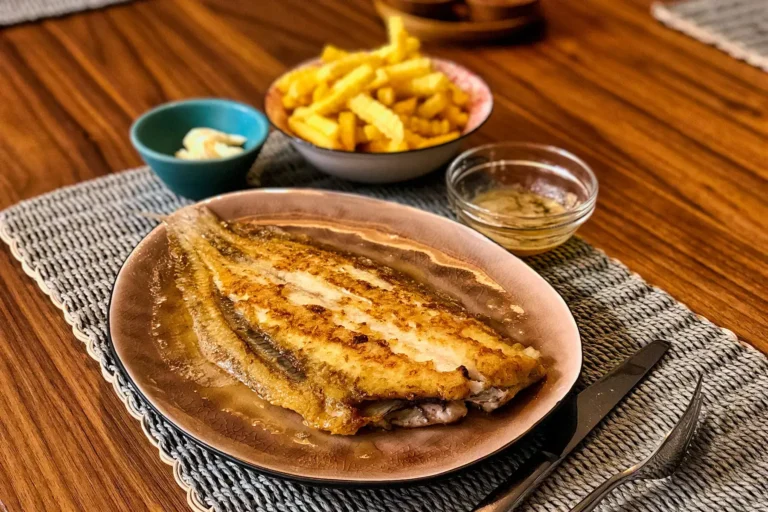
Kibbeling is bite-sized cod or haddock, battered and fried, doused in tartar sauce or remoulade. Coastal towns like Scheveningen live for it. On a sunny day at the beach, it’s the snack that makes you forget the wind.
Fresh from the fryer, it’s light yet indulgent. Compare it to British fish and chips, but Dutch-style with more herbs. Where to get: Harbor stalls everywhere.
Frikandel: The Skinless Sausage Star
Frikandel is a spiced, skinless hot dog-like sausage, deep-fried and topped with curry ketchup, mayo, and onions. It’s fast food royalty, often in a broodje (bun). Kids love it, adults crave it post-beer.
- Variations: Frikandel speciaal (with extras).
- Fun Fact: Invented in the 1950s, now a supermarket staple.
Simple, salty perfection. Pros: Kid-friendly. Cons: Not the healthiest. Try it at a frituur.
Patat: Fries Done the Dutch Way
Dutch fries are thick-cut, double-fried for extra crisp, smothered in mayo or oorlog (war) style with peanut sauce and onions. Albert Heijn’s patatje is iconic. After a long bike ride, nothing hits like it.
The mayo is key—rich, eggy. Pros: Crispy heaven. Cons: Messy to eat. Dip away.
Poffertjes: Tiny Pancakes That Spark Joy
Poffertjes are mini puffed pancakes, cooked in a special iron pan, served with butter and powdered sugar. Festival staples, they’re fluffy bites of heaven. At the King’s Day market in Utrecht, I ate a dozen before noon.
- Toppings: Strawberries, chocolate.
- DIY: Buy a poffertjes pan online.
They’re cute, quick, and crowd-pleasing. Pros: Fun for all ages. Cons: Addictive.
Pannenkoeken: Pancakes for Dinner
Pannenkoeken are thin, crepe-like pancakes, savory or sweet, with bacon, cheese, or apples. Eaten for lunch or dinner, they’re family favorites. In a pancake house near Vondelpark, the apple-bacon combo changed my life.
Endless fillings: ham, mushrooms, syrup. Pros: Versatile. Cons: Can be heavy. Great for kids.
Stroopwafel: The Syrupy Icon
Stroopwafels are two thin waffles glued with caramel, invented in Gouda. Heat over coffee to melt the syrup. I smuggle them home in suitcases—guilty pleasure.
- History: 19th century street food.
- Best: Fresh from the market.
Pros: Portable bliss. Cons: Hard to stop at one.
Appeltaart: Dutch Apple Pie Perfected
Appeltaart is a tall, spiced apple pie in a springform pan, with raisins and cinnamon. Served warm with slagroom (whipped cream). At a café in Delft, it was the highlight of my afternoon.
Chunky apples, crumbly crust. Pros: Better than American. Cons: None.
Oliebollen: New Year’s Fried Dough
Oliebollen are deep-fried dough balls, dusted with sugar, like Dutch donuts. Eaten on New Year’s Eve. My host family in Leiden made them fresh—pure joy.
- Fillings: Raisins, apples.
- Tradition: Ring in the year right.
Pros: Festive. Cons: Greasy fingers.
Speculaas: Spiced Cookies for All Seasons
Speculaas are crisp, spiced biscuits with cinnamon, cloves, and almonds, often molded into shapes. Paired with coffee. During Sinterklaas, they’re everywhere.
- Filled Version: With almond paste.
Pros: Festive crunch. Cons: Seasonal.
Boterkoek: Buttery Cake Bliss
Boterkoek is a dense, buttery cake with a caramelized top. Simple yet rich. Baked at home, it’s a Dutch grandma’s secret.
Slice thin. Pros: Melts in mouth. Cons: Rich.
Tompouce: The Layered Pastry Dream
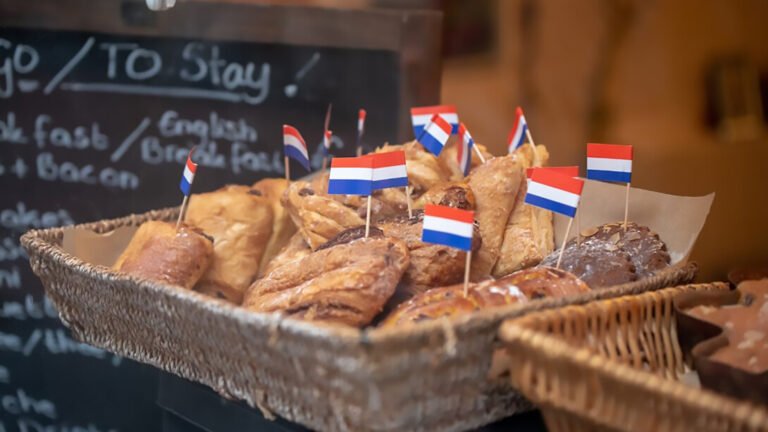
Tompouce is puff pastry with vanilla custard and pink icing. A royal favorite for King’s Day. Messy but worth it.
- Eat It: With a fork, carefully.
Pros: Elegant. Cons: Crumbly.
Hagelslag: Sprinkles on Bread
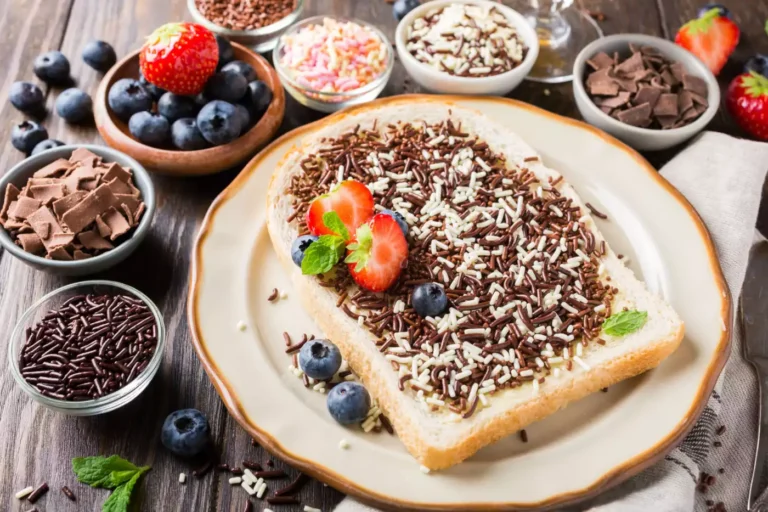
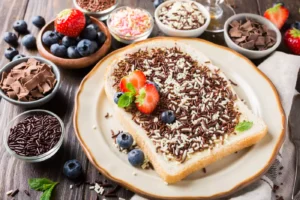
Hagelslag is chocolate sprinkles on buttered bread—breakfast staple. Dutch kids grow up on it. I tried it on a boterham and got it.
- Flavors: Milk, dark, anise.
Pros: Fun. Cons: Sugary start.
Gouda Kaas: The World-Famous Cheese
Gouda is semi-hard, nutty cheese aged from young to old. Farmhouse versions are best. Tastings in Gouda market are a must.
- Aged: Crystallized crunch.
Pros: Versatile. Cons: Addictive.
Edam Kaas: The Red-Waxed Classic
Edam is milder, ball-shaped cheese, great for travel. Iconic red wax. Pair with wine.
Pros: Portable. Cons: Milder flavor.
Rookworst: Smoked Sausage Perfection
Rookworst is smoked pork sausage, grilled or in soup. The smell alone sells it. In stamppot, it’s essential.
Pros: Smoky heaven. Cons: None.
Zuurkool Stamppot: Tangy Twist on Classics
Zuurkool stamppot mashes sauerkraut with potatoes for a bright, fermented punch. Winter warmer.
Bullets: Bacon, apple for balance.
Vlaai: Limburg’s Fruit-Filled Pie
Vlaai is a fruit pie from Limburg, with cherry or apricot. Light crust, juicy filling. Southern specialty.
Pros: Fresh. Cons: Regional.
Ontbijtkoek: The Breakfast Cake
Ontbijtkoek is spiced rye cake, sliced thin with butter. Gingerbread-like, for mornings.
- With: Cheese for savory twist.
Pros: Wholesome. Cons: Dry alone.
People Also Ask: Common Questions About Typical Dutch Food
What is the most famous Dutch dish?
Stamppot takes the crown, but stroopwafel and bitterballen are close runners-up for tourists.
What do Dutch people eat for breakfast?
Bread with hagelslag, cheese, or peanut butter—simple and quick.
Is Dutch food spicy?
Not really; it’s mild, with occasional Indonesian heat from rijsttafel influences.
Where can I find authentic Dutch food in Amsterdam?
Markets like Noordermarkt or spots like Pancake Bakery for pannenkoeken.
Are there vegan options in traditional Dutch cuisine?
Yes—veggie stamppot, kaaskroketten, and modern twists on classics.
FAQ: Your Burning Questions Answered
What’s the best way to try multiple Dutch dishes?
Join a food tour in Amsterdam or hit a frituur for snacks.
Can I make these at home?
Absolutely—stamppot is foolproof, stroopwafels need a waffle iron.
Is Dutch food kid-friendly?
Totally—poffertjes and frikandel are hits.
How does it compare to Belgian food?
Similar fries and waffles, but Dutch leans heartier with more mash.
What’s the healthiest option?
Haring or fresh cheeses—lean and nutrient-packed.
Dutch food isn’t flashy, but it’s the kind that lingers in your memory long after the trip. From the first bitterbal to the last crumb of appeltaart, it’s a celebration of everyday joys. Next time you’re in the Netherlands, skip the tourist traps and seek out these gems. Your taste buds will thank you—and who knows, you might just start mashing potatoes like a local.