Discover the soul-warming world of Finnish cuisine, where every bite tells a story of rugged landscapes, resilient traditions, and the simple joy of eating what the land provides.
I still remember the first time I bit into a warm karjalanpiirakka in a tiny Helsinki bakery. The flaky rye crust gave way to a creamy rice filling, topped with that unmistakable egg butter. It wasn’t fancy, but it hit me right in the feels—like a hug from the Finnish wilderness itself. Finnish food isn’t about flashy techniques or overwhelming spices. It’s honest, hearty, and deeply tied to the seasons, the forests, and the lakes. If you’re craving something real in a world of processed everything, this is your guide. Let’s dive into the flavors that have sustained Finns through endless winters and sun-drenched summers.
The Roots of Finnish Cuisine: Nature’s Harsh Lessons
Finnish cooking emerged from a land where survival wasn’t guaranteed. Long, dark winters and short, intense summers shaped a cuisine that wastes nothing and celebrates what the earth offers freely.
Think about it: forests covering 75% of the country, thousands of lakes teeming with fish, and wild berries bursting with flavor in the brief thaw. Early Finns foraged, fished, and farmed rye and potatoes, preserving everything through smoking, pickling, and fermenting. Influences from Sweden to the west and Russia to the east added layers—pickled herring from the Baltic, hearty stews from the east—but the core stayed simple: fresh, local, and unpretentious. Today, that ethos lives on in Michelin-starred spots and grandma’s kitchen alike.
Essential Ingredients That Make Finnish Food Unforgettable
At the heart of every Finnish meal are ingredients pulled straight from the wild or the farm. No frills, just pure, concentrated taste.
Rye: The Unsung Hero of Finnish Baking
Rye isn’t just flour—it’s the backbone of Finnish identity. Dark, sour ruisleipä (rye bread) is baked daily across the country, its tangy chew a perfect match for smoked fish or butter.
Grown in poor soil, rye develops a deep, nutty flavor that shines in breads, pasties, and even beer. Finns eat over 13 kilos per person yearly, often toasted with a smear of munavoi (egg butter). It’s the ultimate everyday staple, proving that simple can be sublime.
Fish from Crystal-Clear Waters
Finland’s 188,000 lakes make fish a daily delight. Salmon, perch, and vendace (muikku) are caught fresh, then smoked, cured, or simmered. Nothing beats a fillet grilled over birch coals—smoky, flaky, and kissed by the outdoors.
Berries and Mushrooms: Forest Treasures
Summer’s short burst brings buckets of bilberries, lingonberries, and rare cloudberries. Foraged under jokamiesoikeus (everyman’s right), they’re turned into jams, pies, and sauces that cut through rich meats. Mushrooms like chanterelles add earthy depth to autumn stews.
Dairy and Reindeer: Creamy Comfort and Wild Game
Piimä (sour milk) and squeaky leipäjuusto (bread cheese) are breakfast heroes. Reindeer, from Lapland’s herds, offers lean, gamey meat that’s sautéed or stewed—sustainable and full of iron.
| Ingredient | Why It Matters | Common Uses |
|---|---|---|
| Rye | Tangy, hearty base | Breads, pasties, beer |
| Salmon | Fresh, omega-rich | Soups, cured, grilled |
| Lingonberries | Tart sweetness | Jams, sauces, desserts |
| Reindeer | Lean protein | Stews, roasts, sausages |
| Potatoes | Earthy filler | Mashes, soups, sides |
These aren’t exotic imports—they’re what keeps Finns grounded.
Iconic Finnish Dishes: Timeless Classics to Crave
Finnish food shines in its signature plates, each a window into regional pride and seasonal rhythms.
Karjalanpiirakka: The Iconic Karelian Pasty
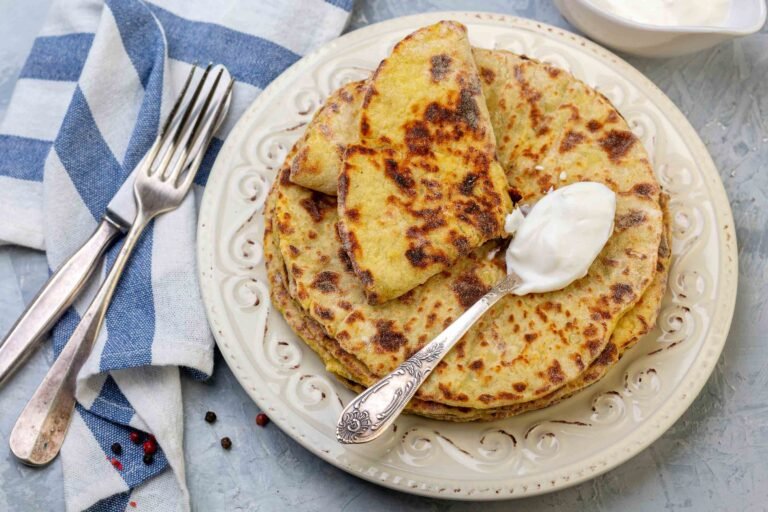
These oval rye pastries, filled with rice porridge or mashed potato, are Finland’s most beloved snack. Originating from Karelia (now partly Russia), they’re pleated by hand and baked hot, then slathered with munavoi—a mix of hard-boiled eggs and butter.
I tried my first in a Tampere market, still steaming from the oven. The contrast of crispy edges and soft filling? Pure magic. Grab them at any kahvila (café) or supermarket—they’re the ultimate grab-and-go.
Lohikeitto: Creamy Salmon Soup That Warms the Soul
On a chilly day, nothing beats lohikeitto. Chunks of salmon swim in a velvety broth with potatoes, leeks, carrots, and fresh dill. Cream ties it together, making it Finland’s go-to comfort food.
Finns swear by it after a sauna plunge. My version at home uses wild-caught salmon—add a squeeze of lemon for brightness. It’s simple, but the flavors linger like a good story.
Quick Lohikeitto Recipe (Serves 4)
- 500g salmon fillets, cubed
- 4 potatoes, diced
- 1 leek, sliced
- 1 liter fish stock + 200ml cream
- Dill, salt, white pepper
Simmer veggies in stock 15 mins, add salmon and cream, cook 5 more. Garnish generously.
Poronkäristys: Sautéed Reindeer, Lapland’s Pride
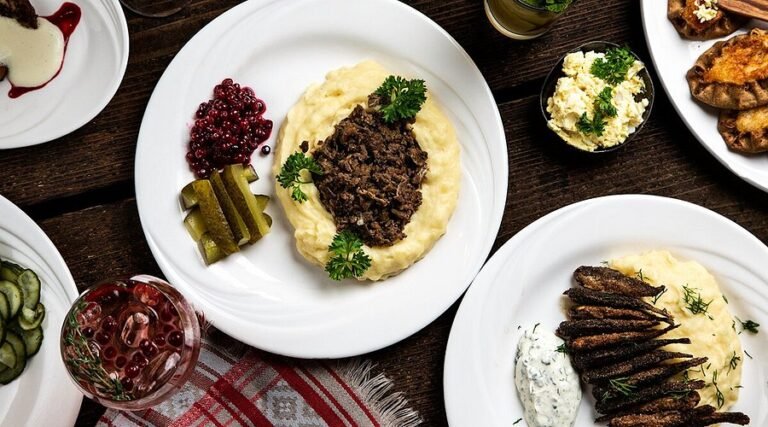
Thin slices of reindeer meat, fried with onions in butter and stock, then served over mashed potatoes with lingonberry jam. It’s tender, slightly gamey, and utterly satisfying.
In Rovaniemi, I watched a Sámi herder prepare it over an open fire. The meat’s low fat content means it stays juicy—perfect for winter feasts.
Pros and Cons of Reindeer Meat
Pros:
- Lean and nutrient-dense
- Sustainable from free-roaming herds
- Pairs beautifully with tart berries
Cons:
- Harder to source outside Scandinavia
- Stronger flavor than beef (an acquired taste for some)
Other Must-Tries: A Quick Roundup
- Kalakukko: Fish and pork baked in a rye loaf—Savonia’s picnic staple.
- Mustamakkara: Blood sausage from Tampere, grilled with lingonberries.
- Leipäjuusto: Oven-baked cheese with cloudberries—sweet, squeaky bliss.
Regional Flavors: From Lapland to the Archipelago
Finland’s vastness means food changes with the terrain.
Lapland: Wild and Untamed
Up north, reindeer rules. Poronkäristys is everyday, but try smoked arctic char or cloudberry kiisseli (berry soup). The cold preserves flavors like nowhere else.
Eastern Finland: Hearty and Rustic
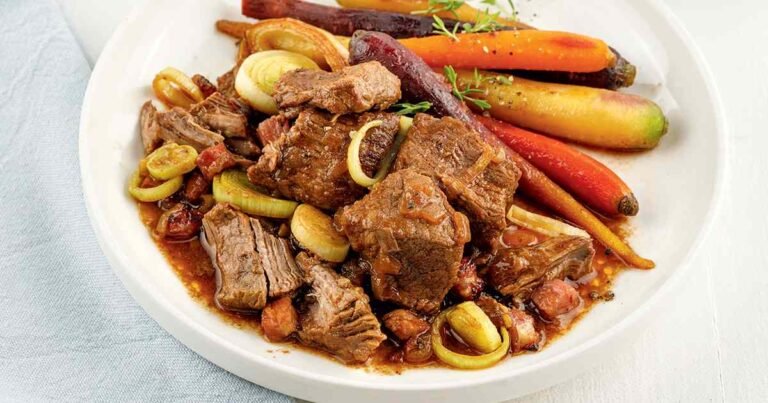
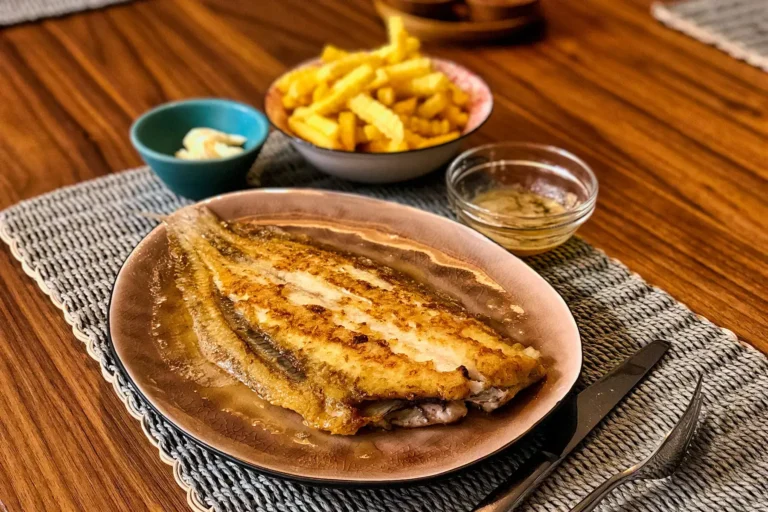
Karelia brings pasties and karjalanpaisti (hot pot of meats). Lakeside towns serve muikku fried crisp—summer’s street food.
Western Coast: Swedish Twists
Åland’s archipelago bread is sweet and syrupy, paired with pickled herring. Coastal fresh fish shines here.
Regional Bread Comparison
| Region | Bread Style | Flavor Profile | Best With |
|---|---|---|---|
| Karelia | Sour rye pasties | Tangy, chewy | Egg butter |
| Lapland | Flatbreads | Nutty, dense | Reindeer stew |
| Archipelago | Sweet rye | Malty, moist | Smoked salmon |
| Savonia | Kalakukko crust | Earthy, hearty | Fish filling |
Each bite feels like a passport stamp.
Finnish Food Culture: Sauna, Seasons, and Shared Tables
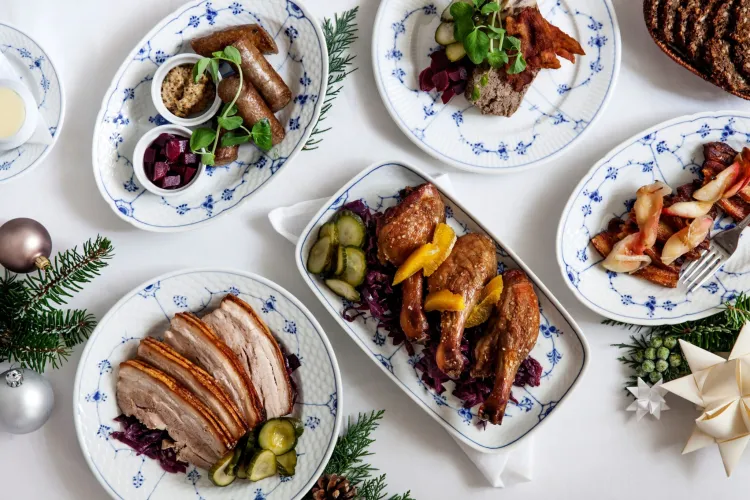
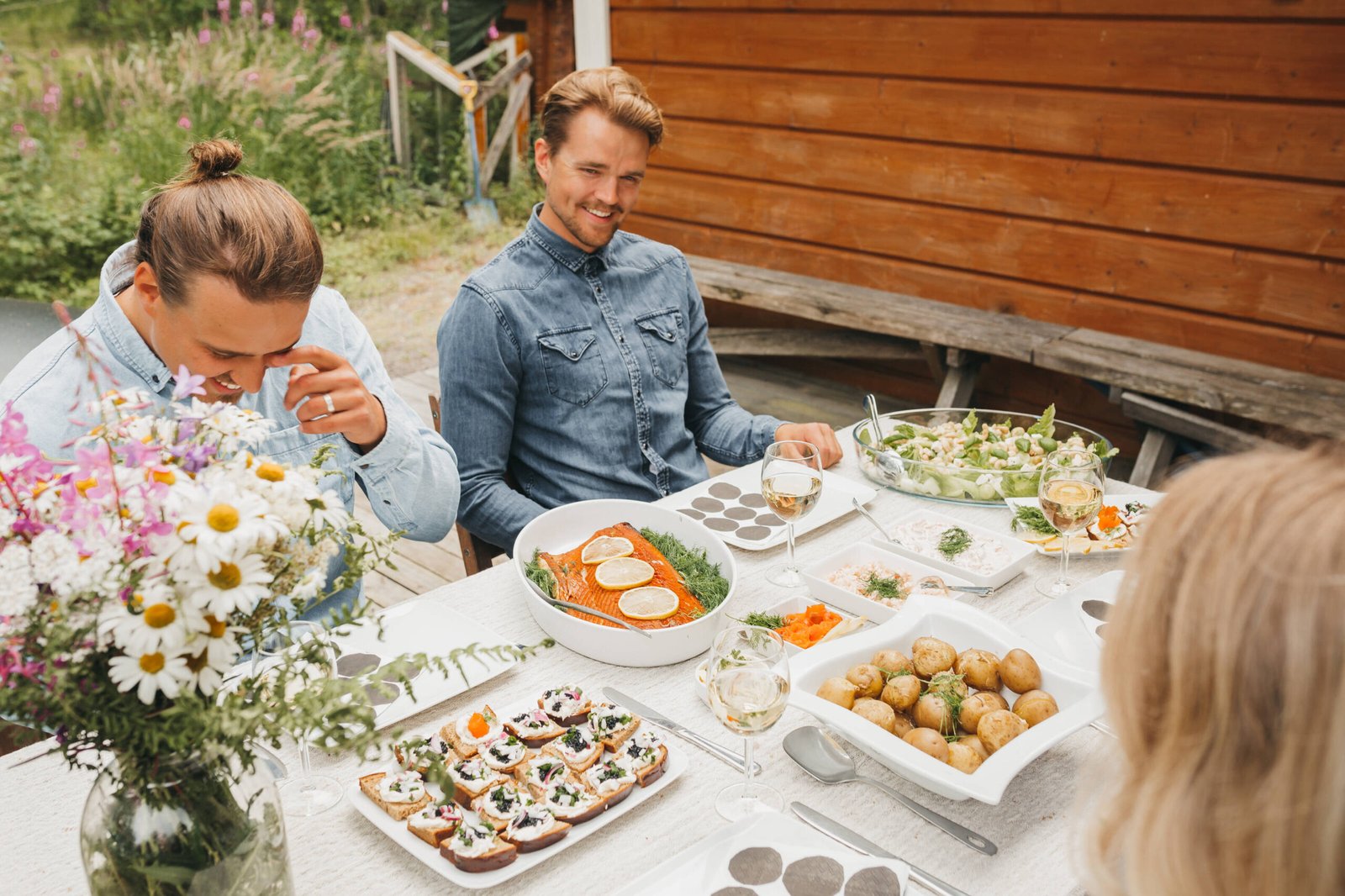
Eating in Finland is communal and tied to life’s rhythms. Midsummer (juhannus) means new potatoes with dill and grilled sausages. Christmas brings joulukinkku (ham) and casseroles.
I once joined a family for rapujuhlat (crayfish party) in August—boiled crayfish, vodka toasts, and endless laughs. It’s about connection, not calories.
Traditional Celebrations and Foods
- Midsummer: New potatoes, herring, fresh berries.
- Vappu (May Day): Tippaleipä (funnel cakes) and sima (mead).
- Christmas: Rye pudding mämmi, gingerbread.
Foraging is sacred—pick berries, mushrooms, whatever the forest gives.
The Modern Twist: Finnish Cuisine Goes Global
Traditional roots meet innovation in Helsinki’s kitchens. Chefs like those at Grön (Michelin-starred) forage for zero-waste menus, blending reindeer with Asian spices or berries into foams.
Nolla restaurant’s composting ethos? Game-changing. Abroad, Finnish pop-ups in New York highlight lohikeitto as the new ramen.
Where to Experience Authentic Finnish Food
In Finland:
- Helsinki’s market halls for pasties and soups.
- Lapland lodges for reindeer feasts.
- Tampere for black sausage stalls.
Abroad: Seek Scandinavian delis or IKEA’s Swedish meatballs (close enough, with lingonberries). Online, order rye flour from Finnish importers.
Bring It Home: Finnish Recipes to Master
No trip to Finland? Recreate the magic.
Easy Homemade Karjalanpiirakka
Ingredients (12 pasties):
- Dough: 200g rye flour, 100g wheat flour, water, salt.
- Filling: 200g rice, milk, butter.
- Topping: 4 eggs, butter.
Steps:
- Cook rice porridge.
- Mix dough, roll thin ovals, fill, pleat.
- Bake 250°C for 10 mins. Brush with butter, rest under towel.
- Top with chopped egg butter.
Serve warm—your kitchen will smell like a Finnish bakery.
Classic Lohikeitto Step-by-Step
(As above, but add: Use fresh dill from your windowsill for authenticity.)
People Also Ask: Your Burning Questions on Finnish Food
What is the national dish of Finland?
Karelian stew (karjalanpaisti)—a slow-baked mix of beef, pork, and lamb. But many say rye bread or salmon soup edges it out for everyday love.
Is Finnish food healthy?
Absolutely. Lean proteins, wild berries packed with antioxidants, and minimal processing. The Nordic diet ranks among the world’s best.
What do Finns eat for breakfast?
Porridge with berries, rye bread with cheese, or viili yogurt. Coffee is non-negotiable—Finns drink the most per capita.
Where can I find Finnish food in the US?
Scandinavian shops in big cities, or online for imports like salmiakki candy (salty licorice—brave it!).
What’s the weirdest Finnish food?
Mustamakkara (blood sausage) or mämmi (fermented rye pudding). Tastes grow on you.
FAQ: Everything You Wanted to Know About Food from Finland
What makes Finnish cuisine unique?
Its reliance on foraged wild foods and preservation techniques from harsh climates. No heavy sauces—just let ingredients speak.
Can vegetarians enjoy Finnish food?
Yes! Mushroom dishes, root veggie casseroles, and berry desserts abound. Modern spots offer plant-based poronkäristys alternatives.
How do I pair Finnish food with drinks?
Koskenkorva vodka for toasts, or non-alcoholic kotikalja (rye beer). Cloudberry liqueur for desserts.
Is Finnish food spicy?
Rarely. Salt, dill, and allspice rule. Heat comes from mustard on sausages.
What’s the best time to visit for food?
Summer for fresh fish and berries; winter for hearty stews and Christmas markets.
Finnish food isn’t just sustenance—it’s a love letter to the north. Whether you’re planning a trip or just dreaming in your kitchen, these flavors will transport you. Grab some rye, some salmon, and start cooking. Your taste buds (and soul) will thank you.