I still remember the first time I stepped off the train in Copenhagen, jet-lagged but buzzing with excitement. The air smelled like fresh bread and sea salt, and within minutes, I was at a tiny bakery, tearing into a warm kanelsnegl that melted in my mouth. That pastry set the tone for my week in Denmark – a journey through hearty, comforting flavors that feel like a warm hug from the North. Danish food isn’t flashy or overly complicated. It’s rooted in the land, the sea, and a practical mindset shaped by long winters and short summers. Think pork that’s crispy on the outside and juicy within, rye bread so dense it could anchor a boat, and pickled herring that wakes up your taste buds like nothing else.
Over the years, I’ve returned to Denmark multiple times – exploring Copenhagen’s markets, chatting with bakers in Aarhus, and even joining a family dinner in Jutland where the table groaned under platters of meatballs. What strikes me most is how Danish cuisine balances tradition with a quiet innovation. It’s the kind of food that sustains farmers through harsh seasons but also shines in modern twists at places like Noma. If you’re planning a trip or just craving a taste of Scandinavia at home, these 12 must-try dishes will give you the full picture. They’re not just meals; they’re stories on a plate.
Danish eating is all about hygge – that untranslatable sense of coziness. Meals are shared, often with a glass of beer or snaps, and portions are generous but never wasteful. Pork reigns supreme (Danes eat more per capita than almost anywhere else), but fish and veggies hold their own. And don’t get me started on the pastries; they’re a national obsession. In this guide, we’ll break down each dish with its history, how to enjoy it, where to find the best versions, and a few tips from my own tastings. Ready to dig in?
1. Smørrebrød: The Iconic Open-Faced Sandwich
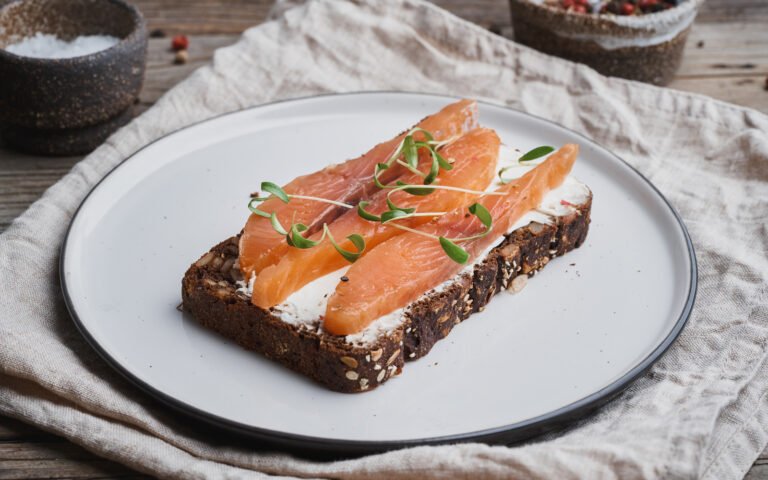
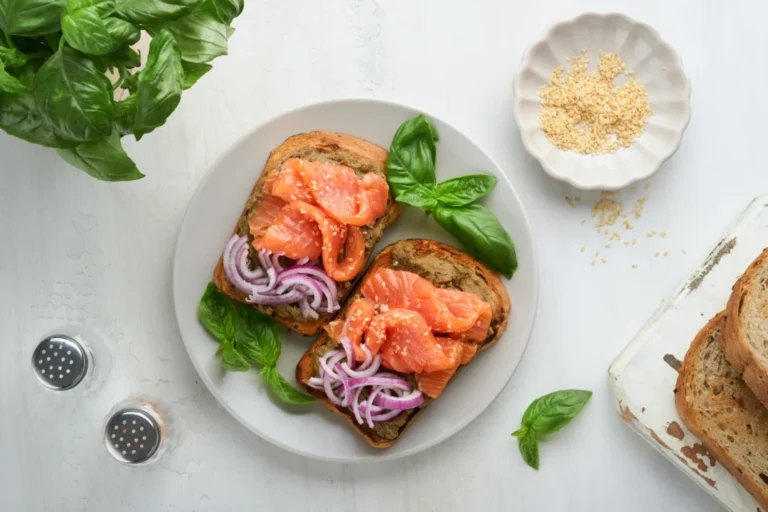
Smørrebrød might look simple – just a slice of buttered rye bread topped with goodies – but it’s Denmark’s culinary soul. These open-faced sandwiches are a lunch staple, born from the need for portable, satisfying meals in the 19th century when factory workers grabbed quick bites. Today, they’re elevated art, with toppings stacked high for balance and beauty.
The key is the rugbrød, a dark, seeded rye that’s chewy and slightly sour. You eat it with a knife and fork, one at a time, to savor each layer. I’ve lost count of how many I’ve tried, but the pickled herring version at Schønnemann in Copenhagen still haunts my dreams.
A Quick History of Smørrebrød
Smørrebrød evolved from peasant lunches, where leftovers met fresh bread. By the 1880s, Copenhagen’s restaurants turned it into a status symbol, with elaborate combinations for the elite.
Classic Toppings Worth Trying
- Pickled Herring: Tangy fish with onions and dill – a briny wake-up call.
- Roast Beef: Thin slices with remoulade, pickles, and horseradish for a meaty punch.
- Shrimp and Egg: Mayo-drenched prawns piled with lemon and cress – fresh and luxurious.
- Liver Pâté: Warm and rich, topped with bacon and mushrooms.
Here’s a simple table to compare:
| Topping | Flavor Profile | Best For |
|---|---|---|
| Herring | Salty, acidic | First-timers |
| Roast Beef | Savory, zesty | Meat lovers |
| Shrimp | Creamy, bright | Seafood fans |
| Potato | Earthy, comforting | Vegetarians |
Where to Grab Authentic Smørrebrød
Head to traditional spots like Aamanns 1921 or Hallernes Smørrebrød in Copenhagen. For a budget option, try a pølsevogn (sausage stand) with a basic version. Pro tip: Pair with a cold Carlsberg and a shot of snaps – the Danes do it right.
2. Stegt Flæsk: The National Dish of Crispy Pork Perfection
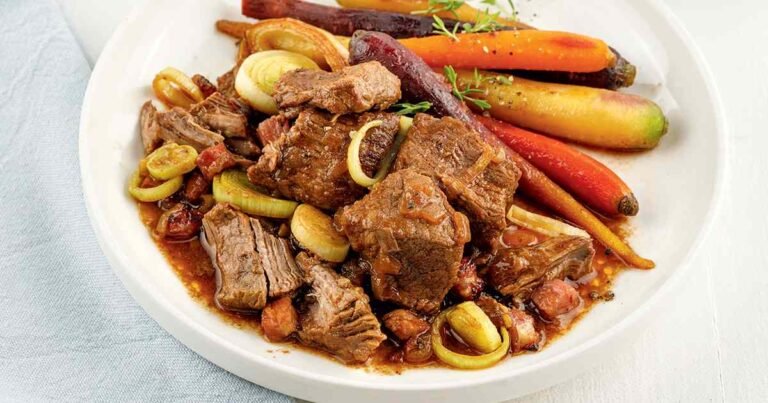
Stegt flæsk med persillesovs – fried pork belly with parsley sauce and potatoes – was voted Denmark’s national dish in 2014, and for good reason. It’s unapologetically hearty, with crackling skin that snaps like fireworks and tender meat underneath. This is Sunday dinner food, the kind that makes you undo your belt.
I tried it on a rainy day in Odense, at a family-run kro (inn). The sauce was velvety, the potatoes boiled to fluffy perfection. Danes love it so much, some restaurants offer all-you-can-eat versions.
How Stegt Flæsk Came to Be
Rooted in rural Denmark, it uses affordable pork and foraged parsley. The sauce, thickened with roux and fresh herbs, balances the richness.
Cooking It Like a Pro
Fry pork slices until golden, boil new potatoes, and whip up the sauce with milk, butter, and tons of chopped parsley. Simple, but timing is everything.
Best Spots to Try It
In Copenhagen, check out Restaurant Kronborg or Café Lindevang. Outside the capital, Jutland inns nail the rustic vibe. If you’re vegetarian? Skip it – this one’s for carnivores.
Pros: Crispy, satisfying, pairs with beer.
Cons: Heavy; save room for a walk after.
3. Frikadeller: Juicy Danish Meatballs
Frikadeller are Denmark’s answer to meatballs – pan-fried patties of pork and veal, seasoned with onion and nutmeg. They’re versatile: lunch on rye, dinner with potatoes and gravy, or even in soup. Light, fluffy, and addictive.
My aunt-in-law (through a Danish friend) makes them from scratch, and hers are legendary. The secret? A splash of milk in the mix for tenderness.
The Story Behind Frikadeller
Meat grinders changed everything in the 1800s, turning scraps into these beauties. Every Danish grandma has her recipe.
Variations to Explore
- Classic Pork-Veal: Balanced and herby.
- Fish Version: Lighter, for seafood days.
- Modern Twists: With wild game or veggies.
Where Danes Eat Them
Home kitchens rule, but try them at Schønnemann or as smørrebrød toppings. Street vendors sometimes offer mini versions.
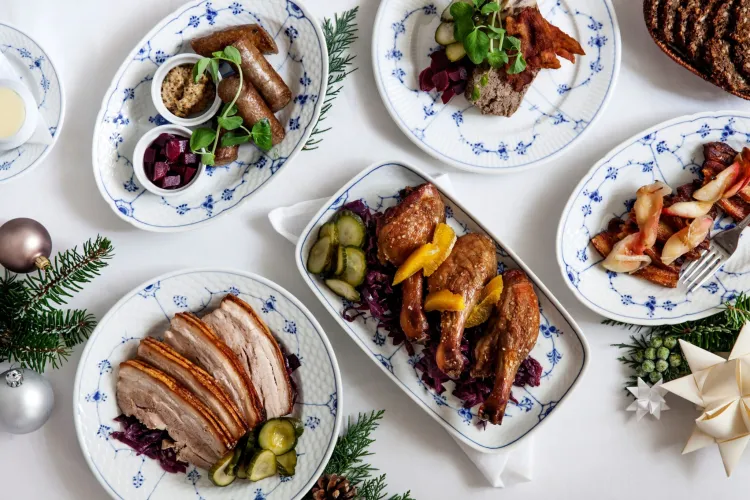
4. Flæskesteg: Roast Pork with Crackling
Flæskesteg is the holiday hero – slow-roasted pork shoulder or belly with shatteringly crisp skin. Served with red cabbage and gravy, it’s Christmas on a plate year-round.
I had it at a market stall in Aarhus during Julemarked (Christmas market). The crackling crunched like potato chips, but better.
Why It’s a Crowd-Pleaser
Pork’s affordability made it a staple. The skin gets scored and salted for that magic crunch.
Serving Suggestions
With boiled potatoes, lingonberry sauce, and a cold beer. Leftovers make epic sandwiches.
Top Places for Flæskesteg
Try Flæskesteg at traditional Danish inns like Klosterkroen in Odense. In Copenhagen, seek out family spots in Vesterbro.
5. Wienerbrød: Flaky Danish Pastries
Wienerbrød – “Vienna bread” – are the buttery, laminated pastries Danes claim as their own. From kanelsnegl (cinnamon snails) to spandauer (custard-filled), they’re breakfast bliss.
The name comes from Austrian bakers who fled to Denmark in the 1840s, but locals perfected them. I once ate three in a row at Juno the Bakery – no regrets.
Must-Try Varieties
- Kanelsnegl: Gooey cinnamon spiral, often glazed.
- Spandauer: Cream cheese or remonce filling.
- Frøsnapper: Seeded, for a savory twist.
Baking Tips from the Pros
Use Danish butter for that flaky layers. Eat fresh – they’re best the day they’re made.
Iconic Bakeries
Hart Bageri in Copenhagen or Meyers Bageri. Grab a coffee and hygge it up.
6. Æbleskiver: Puffy Pancake Balls
Æbleskiver are spherical pancakes, cooked in a special pan, often filled with apple. Dusted with powdered sugar and served with jam, they’re winter market staples.
Picture biting into one at Tivoli Gardens – warm, fluffy, with a fruity surprise. I burned my tongue on the first one, but it was worth it.
Origins and Evolution
From medieval times, when “apple slices” were fried. Now, plain or filled with chocolate.
How to Make Them at Home
Whip egg whites for lift, use aebleskiver pan. Flip with a skewer – it’s a skill.
Festival Favorites
Christmas markets or summer fairs. Try at Grød café in Copenhagen for gourmet takes.
7. Syltede Sild: Pickled Herring
Syltede sild – marinated herring – is the briny backbone of Danish lunches. Sweet, sour, and spiced, it’s eaten on smørrebrød or straight from the jar.
Born from preserving fish for long winters, it’s a Viking legacy. At a Bornholm tasting, the curry version blew me away.
Flavor Twists
- Curry: Creamy and bold.
- Mustard: Tangy kick.
- Fried: Crispy for dinner.
Pairing Like a Local
With snaps and rugbrød. Avoid if you hate fishy flavors.
8. Rød Pølse: The Iconic Danish Hot Dog
Rød pølse are bright red pork sausages, grilled or boiled, loaded into buns with remoulade, onions, and pickles. Street food royalty.
I’ve had them from pølsevogne in every Danish city. The red dye? Tradition from the 1920s.
The Full Danish Dog
Mustard, ketchup, raw and fried onions, remoulade. Messy, glorious.
Best Carts
Den Økologiske Pølsemand in Copenhagen. Eco-friendly and delicious.
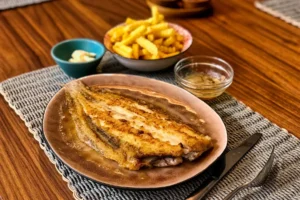
9. Fiskefrikadeller: Crispy Fish Cakes
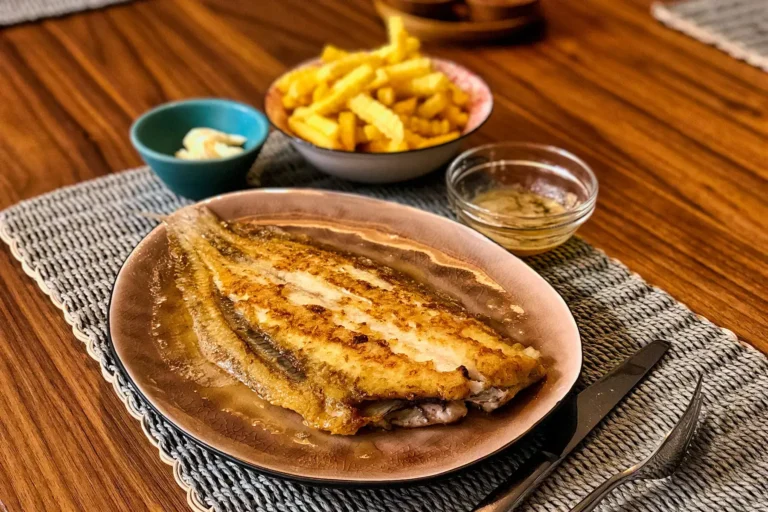
Fiskefrikadeller are light fish patties from cod or haddock, fried golden. Served with remoulade and lemon, they’re coastal comfort.
Fresh from the North Sea, they’re a healthier frikadeller cousin. I paired them with white wine at a harborside spot in Helsingør.
Prep Secrets
Minced fish, eggs, herbs. Pan-fry for crunch.
Where to Savor
Seafood restaurants in Skagen or Copenhagen’s fish markets.
10. Leverpostej: Creamy Liver Pâté
Leverpostej is smooth pork liver pâté, spread on rye or baked into pies. Topped with bacon, it’s rich and nostalgic.
My Danish host served it warm – game-changer. It’s everyday luxury.
Classic Combos
On smørrebrød with mushrooms or as a main with potatoes.
Shop or Make It
Fresh from butchers; easy to DIY with onions and spices.
11. Rødgrød med Fløde: Berry Bliss Porridge
Rødgrød med fløde is stewed red berries (rhubarb, strawberries) thickened and topped with cream. Tart-sweet perfection.
A summer dessert with deep roots. I made it at home after a berry-picking trip – pure joy.
Seasonal Magic
Use whatever’s ripe. Add vanilla for depth.
Serving Style
Warm or cold, with heavy cream poured over.
12. Rugbrød: The Unsung Hero Rye Bread
Rugbrød isn’t just bread; it’s the canvas for Danish meals. Dense, nutty, seeded – it lasts forever and fuels everything.
Danes miss it abroad most. I smuggle loaves home now.
Why It’s Essential
High-fiber, probiotic from sourdough. Top with anything.
Baking Your Own
Rye flour, seeds, long ferment. Worth the effort.
People Also Ask About Danish Food
What is Denmark’s national dish?
Stegt flæsk med persillesovs – crispy pork with parsley sauce and potatoes. It won a public vote in 2014.
Is Danish food healthy?
It can be! Rye bread and fish are nutrient powerhouses, but pork-heavy meals mean balance is key. New Nordic focuses on fresh, local produce.
What do Danes eat for breakfast?
Rye bread with cheese, yogurt with berries, or pastries. Coffee is non-negotiable.
Where to eat traditional Danish food in Copenhagen?
Schønnemann for smørrebrød, Torvehallerne market for everything, or family kroer for hearty plates.
Are Danish pastries really Danish?
The technique is Austrian, but Danes made them iconic with local twists.
FAQ: Your Danish Food Questions Answered
What’s the best way to try multiple dishes?
Join a food tour in Copenhagen or hit Torvehallerne for a smorgasbord of samples.
Can I find vegetarian Danish food?
Yes – potato smørrebrød, æbleskiver, or New Nordic veggie plates. Rye is your friend.
How spicy is Danish cuisine?
Mild! Herbs and mustard rule, but snaps adds a kick.
What to pair with Danish dishes?
Beer for savory, snaps for herring, coffee for sweets.
Is it expensive to eat out?
Lunch smørrebrød is affordable (around 100 DKK), but dinners add up. Markets are budget-friendly.
Danish food is more than a meal – it’s a window into a culture that values simplicity, quality, and togetherness. Next time you’re in Denmark, skip the tourist traps and seek these flavors. Your taste buds (and your hygge meter) will thank you. Skål!