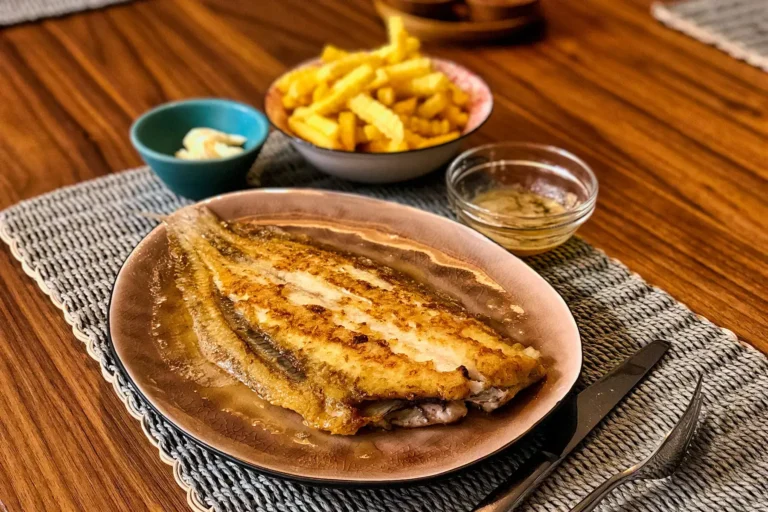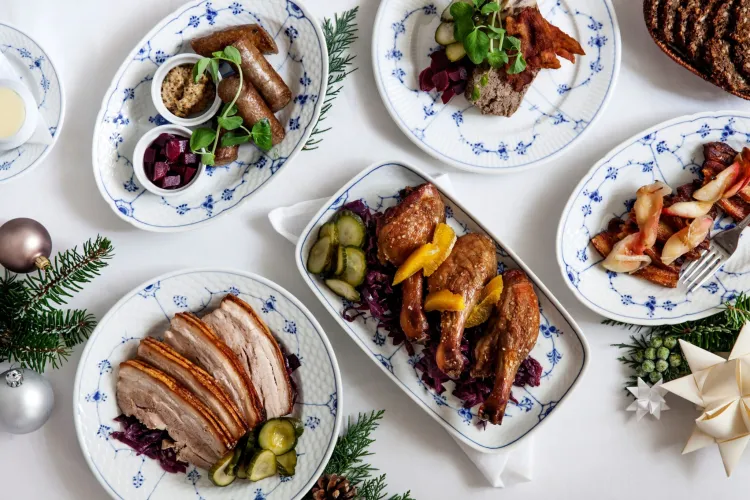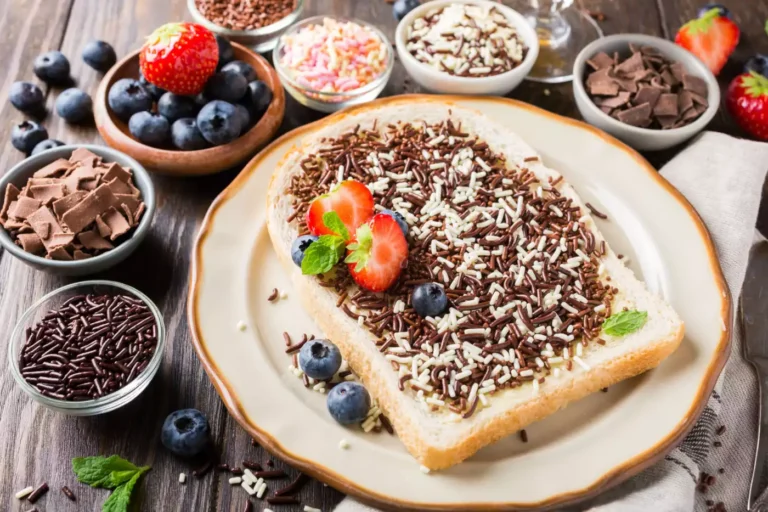
Belgium might be small, but its food scene punches way above its weight. Think hearty stews simmered in beer, mussels steamed to perfection, fries that are crisp on the outside and fluffy inside, and waffles that make you question every other version you’ve tried. While the world knows Belgium for chocolate and beer, the real heart of Belgian cuisine lies in comforting, no-nonsense dishes that locals have enjoyed for generations. Belgium doesn’t have one single “official” national dish, but moules-frites (mussels with fries) often claims the top spot, with carbonnade flamande (Flemish beef stew) right behind it. These classics blend French finesse, Dutch heartiness, and German robustness into something uniquely Belgian.
I’ve wandered the streets of Brussels, Bruges, and Ghent multiple times, always ending up stuffed and happy. One rainy afternoon in Brussels, I ducked into a tiny brasserie and ordered moules-frites on a whim. The steaming pot arrived, fragrant with garlic and white wine, and those golden fries on the side were life-changing. It’s moments like that when you realize why people rave about Belgian food—it’s unpretentious yet deeply satisfying.
The Iconic Moules-Frites: Belgium’s Unofficial National Dish
Moules-frites is the dish most often called Belgium’s national treasure. Fresh mussels from the North Sea (or Zeeland in nearby Netherlands) get steamed in a flavorful broth—usually white wine, shallots, celery, butter, and parsley, sometimes with cream or beer for extra richness. The key is the mussels themselves: plump, briny, and perfectly cooked so they just pop out of their shells.
Served with a generous pile of Belgian fries (frites), it’s a match made in heaven. The fries soak up the sauce, and you dip them shamelessly. Seasonally best from September to April when mussels are at their peak.
Where to try it: In Brussels, head to Chez Léon for the classic tourist-friendly version (it’s been around since 1893 and serves massive portions). For something more authentic, Le Zinneke in Schaerbeek boasts dozens of variations—try the garlic-ginger or Normandy style. Nüetnigenough offers a cozy vibe with excellent mussels. In Bruges, Poules Moules specializes in them, while in Antwerp, De Rooden Hoed (dating back to 1750) delivers top-quality.
Pros of moules-frites:
- Fresh and seasonal
- Affordable and shareable
- Pairs perfectly with beer
Cons:
- Can be messy (shells everywhere)
- Not ideal for shellfish allergies
Belgian Fries (Frites): The Real Deal, Not French
Belgians insist fries originated here, not France—legend says poor villagers along the Meuse River fried potato strips in the 1600s. Belgian frites are thick-cut, double-fried (first at lower temp, then higher for crispiness), and cooked in beef tallow for that signature flavor. Served in paper cones with mayo or a sauce like andalouse.
They’re so beloved that friteries (fry stands) dot every city—often better than restaurant versions.
Where to have them: In Brussels, Maison Antoine (since 1948) is legendary for plain or with sauces. In Bruges, grab from stands near the Belfry. Pair them with a stoemp (mashed veggie-potato mix) for a full meal.
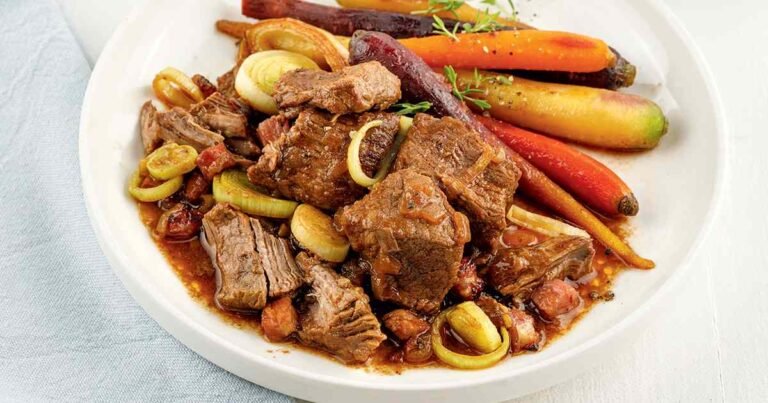
Carbonnade Flamande: Hearty Beef Stew Simmered in Beer
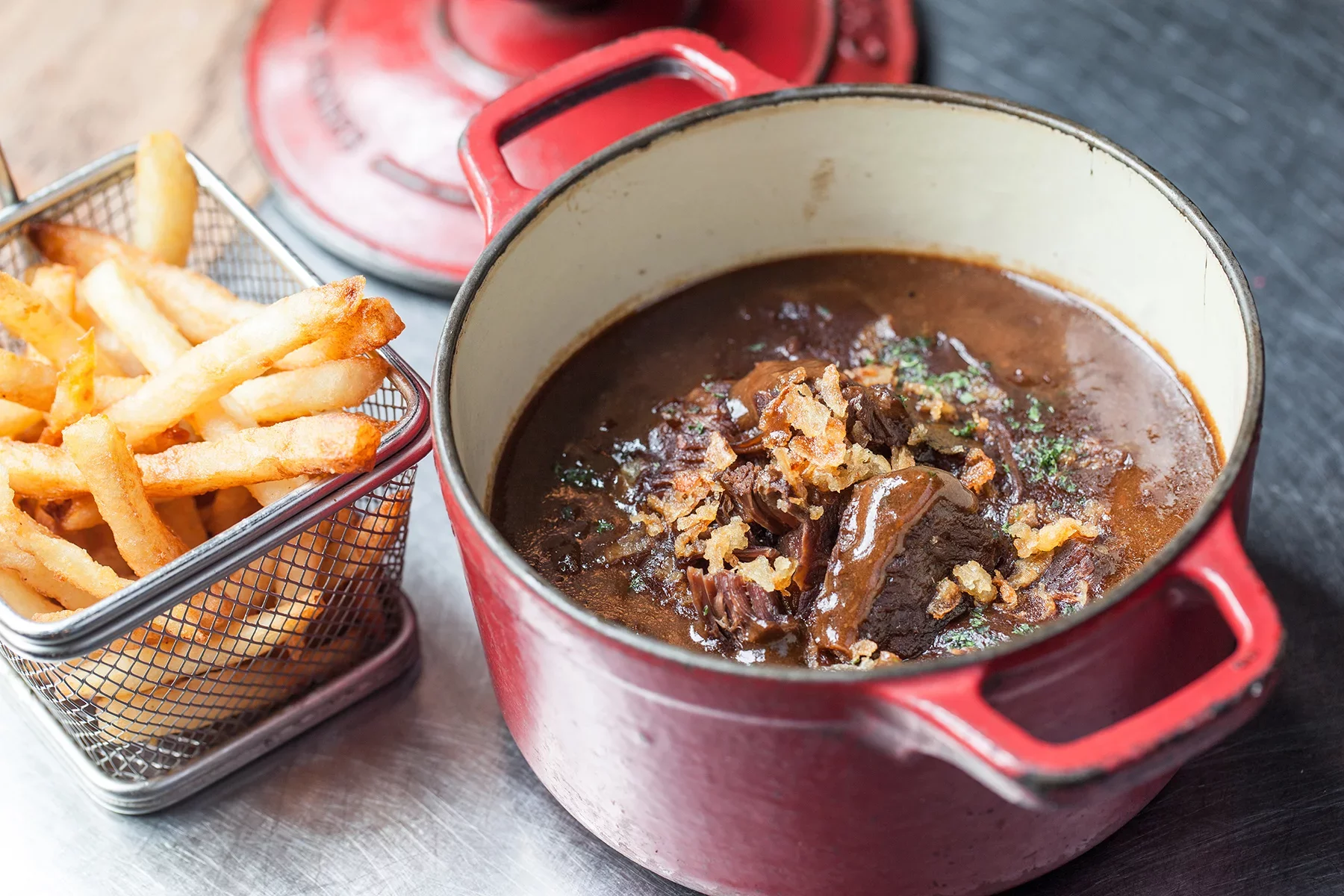
This rich stew—also called stoverij or stoofvlees—is pure comfort. Beef chunks slow-cooked with onions, mustard, brown sugar, and dark Belgian beer (like a dubbel or stout) until melt-in-your-mouth tender. The beer adds depth, sweetness, and a subtle bitterness.
It’s often served with fries or bread to mop up the sauce—perfect on chilly days.
Where to try it: In Brussels, In ‘t Spinnekopke does a stellar version. In Ghent (where it’s a staple), look for local brasseries. Many places offer it as a daily special.
Belgian Waffles: Brussels vs. Liège Style
No trip is complete without waffles (gaufres). Brussels-style are light, rectangular, crispy outside, soft inside—often topped simply with powdered sugar or whipped cream. Liège-style are denser, caramelized with pearl sugar, eaten plain or with toppings.
Street vendors sell them everywhere, but quality varies.
Where to have them: In Brussels, Maison Dandoy offers authentic, high-end versions in their tea rooms. Le Funambule has creative toppings. For Liège-style, seek out spots like Vitalgaufre. Avoid tourist traps near Grand Place—opt for places with fresh batter.
Other Must-Try Belgian Classics
Belgium’s cuisine shines in everyday comfort foods too.
- Stoemp: Mashed potatoes mixed with veggies like carrots, leeks, or Brussels sprouts—served with sausage or meatballs.
- Waterzooi: Creamy stew from Ghent, usually chicken (or fish originally) in a velvety broth with veggies, egg yolk, and cream.
- Speculoos: Spiced biscuits, often turned into spreads or ice cream toppings.
- Chocolate: Not a dish, but pralines from places like Neuhaus or Pierre Marcolini are world-class.
Pairing with Belgian Beer
Beer isn’t just a drink—it’s an ingredient and companion. Trappist ales (like Chimay or Westmalle), lambics, and dubbels elevate dishes. Try a kriek (cherry lambic) with rabbit stew or a strong ale with carbonnade.
People Also Ask (PAA)
What is Belgium’s national dish?
Moules-frites is widely regarded as the national dish, though carbonnade flamande is a close contender.
What food is Belgium famous for?
Beyond moules-frites and frites, Belgium excels in chocolate, waffles, beer, and hearty stews like carbonnade.
Are Belgian fries really better?
Yes—double-fried, thicker, and often in beef fat for unmatched crispiness and flavor.
What are the two types of Belgian waffles?
Brussels (light, crispy) and Liège (dense, caramelized with pearl sugar).
What is stoemp in Belgium?
A mashed potato dish mixed with vegetables, a common side for meat dishes.
FAQ
Is moules-frites available year-round?
Best September–April when mussels are plump; many places serve them anytime, but quality peaks seasonally.
Where’s the best place for authentic Belgian food in Brussels?
Avoid touristy Rue des Bouchers; try neighborhoods like Ixelles or Schaerbeek for spots like Le Zinneke or Nüetnigenough.
Do I need to speak French or Dutch to order?
English works in tourist areas, but learning “moules-frites” or “stoofvlees” helps charm locals.
Are Belgian portions big?
Yes—moules come in huge pots, fries in cones. Come hungry or share.
What’s a good beer pairing for beginners?
Start with a Duvel (strong blonde) or Hoegaarden (witbier) to complement rich dishes.
Belgium’s food isn’t about fancy presentation—it’s about flavor, tradition, and satisfaction. Next time you’re there, skip the obvious and dive into a brasserie for moules or a friterie for fries. You’ll leave fuller, happier, and probably planning your return. Bon appétit—or as they’d say, eet smakelijk!