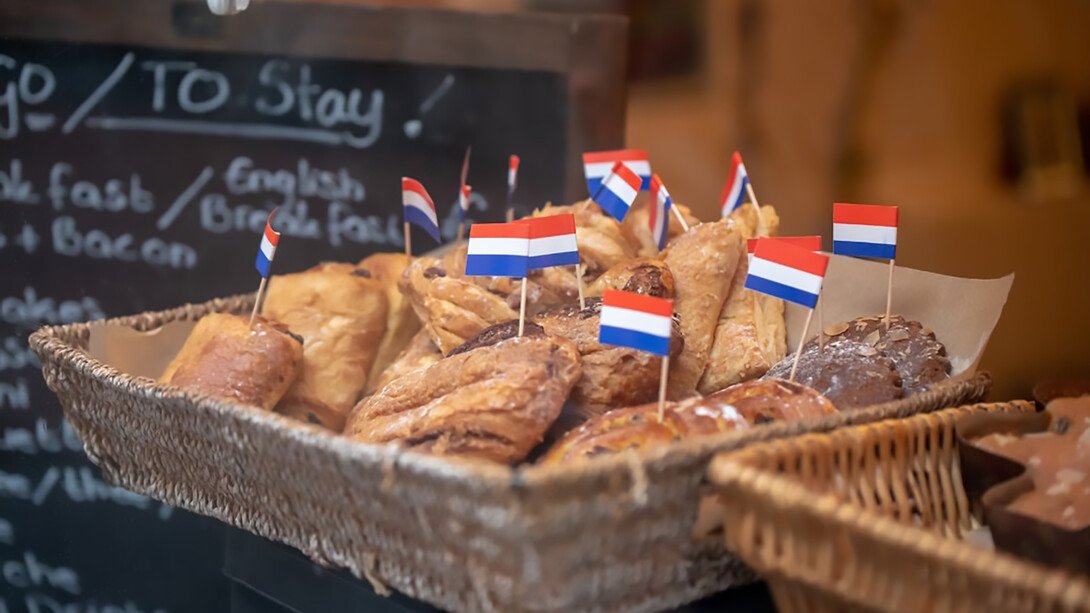
I still remember my first real taste of Dutch food. It was a crisp autumn day in Amsterdam, and I was wandering the Albert Cuyp Market when a vendor handed me a warm stroopwafel straight off the iron. The caramel oozed just right, and in that moment, I got it—Dutch cuisine isn’t about fancy plating or delicate sauces. It’s about warmth, resourcefulness, and flavors that stick with you like a good friend on a rainy day. Over the years, diving into the kitchens of locals and poring over old cookbooks, I’ve come to love how this small nation’s food tells a story of seafaring traders, frugal farmers, and a surprising global twist. If you’re craving something authentic to cook at home or just dreaming of your next trip, this guide will take you through it all.
The Roots of Dutch Cuisine: A Story of Trade and Resilience
Dutch food has always been shaped by the land and the sea. Flat fields perfect for dairy, endless waterways for fish, and a history of bold exploration mean every bite carries echoes of survival and adventure.
The Golden Age: Spices and Splendor
Back in the 17th century, when the Dutch ruled the spice trade, their tables overflowed with nutmeg-dusted pies and clove-scented stews. Wealth from the East Indies turned simple meals into feasts, but everyday folks kept it real with hearty porridges.
Frugality Takes Hold: The 19th Century Shift
Wars and economic dips forced a pivot to efficiency. Potatoes became king, and dishes like stamppot emerged as no-nonsense fuel for workers. It was practical cooking at its finest—think mashed roots with a side of sausage.
Modern Revival: From Bland to Bold
Today, Dutch chefs are blending old-school comfort with global flair. Michelin stars are popping up, but the soul remains in those market stalls and family tables. It’s a comeback story worth savoring.
Essential Ingredients That Power Dutch Kitchens
What makes Dutch cooking tick? It’s the everyday heroes—fresh dairy, root veggies, and seafood plucked from the North Sea. These staples turn humble meals into legends.
Cheese: The National Treasure
Gouda, Edam, and boerenkaas aren’t just snacks; they’re the backbone of Dutch life. Aged to perfection, they melt into everything from sandwiches to fondue-like dips.
Herring: The Salty Star of the Sea
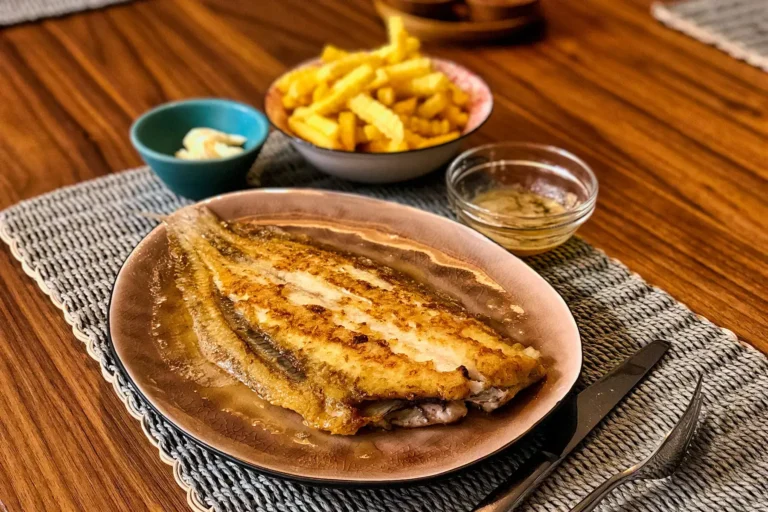
Fresh Hollandse nieuwe herring is a ritual. Raw, with onions and pickles, it’s the ultimate street bite—briny, sweet, and surprisingly addictive.
Potatoes and Veggies: The Mash Masters
From kale to carrots, these are mashed, mixed, and made magical. They’re the affordable canvas for bolder flavors like smoky sausage or tangy mustard.
Iconic Main Dishes: The Comfort Classics That Define Dinner
Dutch mains are built for cold nights and big appetites. They’re straightforward, satisfying, and perfect for sharing around a table.
Stamppot: The Ultimate One-Pot Wonder
This mashed potato-veggie mash is winter’s best friend. Load it with kale, endive, or sauerkraut, top with rookworst, and you’ve got a hug in a bowl.
Erwtensoep (Snert): Pea Soup That Stands Tall
Thick as porridge, packed with split peas, leeks, and pork, this soup is a Dutch staple. Serve it with rye bread slathered in butter for the full effect.
Hachee: Slow-Cooked Beef Bliss
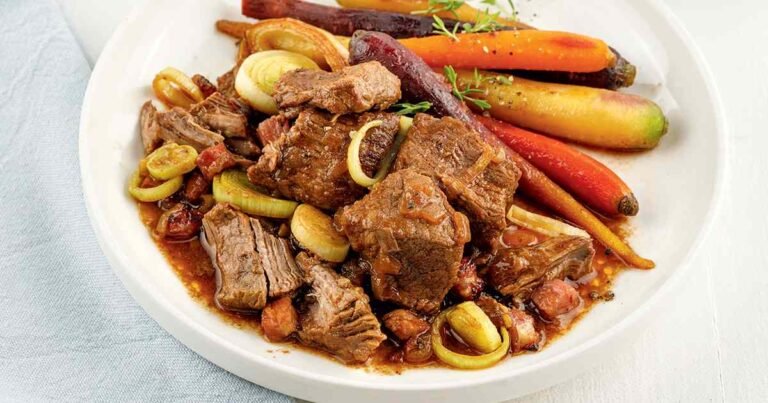
Beef simmered with onions, vinegar, and bay leaves until it falls apart. It’s the kind of stew that makes you forget the rain outside.
Street Food Favorites: Quick Bites with Big Personality
No trip to the Netherlands is complete without hitting the markets. These handheld wonders are crispy, creamy, and utterly addictive.
Bitterballen: The Bar Snack Supreme
Deep-fried ragout balls with a beefy, velvety center. Dip in mustard, chase with beer, and you’ll see why they’re a national obsession.
Hollandse Nieuwe Haring: The Raw Fish Ritual
Hold it by the tail, tilt your head back, and slurp it down. It’s messy, it’s bold, and it’s the taste of Dutch summers.
Frikandel and Kroketten: Fried Perfection
Minced meat sausages or ragout rolls, breaded and golden. They’re the late-night fuel that hits every craving.
Sweet Treats: From Morning to Midnight Indulgences
Dutch desserts prove that simple can be spectacular. They’re baked with love and often tied to celebrations.
Stroopwafels: Caramel Waffle Magic
Two thin wafers sandwiching gooey syrup—best when warmed over coffee. Fresh from a market, they’re life-changing.
Poffertjes: Tiny Pancake Treasures
Fluffy mini pancakes dusted with sugar and butter. Made in special pans, they’re festival staples and kid favorites.
Appeltaart: Dutch Apple Pie Done Right
Layers of spiced apples in a buttery crust. Served warm with whipped cream, it’s the dessert that bridges generations.
Regional Flavors: A Tour of the Netherlands’ Diverse Palate
The country might be small, but its food varies wildly by province. Each corner has its own specialties worth seeking out.
Northern Heartiness: Meats and Rye
In Friesland and Groningen, expect robust sausages and dense breads. Rookworst rules, paired with creamy cheeses.
Western Freshness: Dairy and Seafood
Holland’s coast delivers the best herring and Gouda. Think buttery pastries and jenever to wash it down.
Southern Indulgence: Stews and Pastries
Limburg goes big on vlaai fruit pies and rich hachee. It’s the “Burgundian” side—generous and full of flavor.
Dutch Food Around the World: Colonial Twists and Global Hits
The Netherlands’ trading past brought home more than spices. Indonesian influences transformed the table forever.
Rijsttafel: The Feast That Started It All
A spread of 20+ small dishes—rice, satay, sambal. It’s a colonial legacy that’s now pure Dutch comfort.
Fusion Favorites: From Markets to Modern Menus
Think patatje oorlog (fries with mayo, onions, and peanut sauce) or Surinamese roti. Dutch food evolves with every wave of immigrants.
Cooking Dutch Food at Home: Simple Recipes for Authentic Flavors
You don’t need a Dutch grandma to nail these. With pantry staples, you can recreate the magic in your kitchen.
Easy Stamppot Recipe: Step-by-Step
Boil potatoes and kale, mash together, fry up some bacon, and simmer rookworst. Serve with gravy for that authentic touch.
| Ingredient | Amount | Notes |
|---|---|---|
| Potatoes | 1 kg | Floury variety for best mash |
| Kale | 500g | Chopped fresh |
| Rookworst | 400g | Smoked sausage |
| Bacon | 200g | For extra crunch |
Homemade Stroopwafels: Market-Worthy in Minutes
Mix dough, press in a waffle iron, fill with caramel syrup. Pro tip: Warm over your coffee mug for the gooey effect.
Where to Find the Real Deal: Markets, Farms, and Eateries
Hunting for authentic Dutch eats? Skip the tourist traps and head where locals go.
Amsterdam’s Vibrant Markets
Albert Cuyp or Noordermarkt—grab herring, stroopwafels, and cheese samples galore.
Cheese Farms and Tastings
Visit Gouda’s market or a boerenkaas farm for fresh wedges and stories from the makers.
Pairing Dutch Food: Beers, Jenever, and Beyond
The right drink elevates every meal. Dutch pairings are as practical as the food itself.
Jenever: The National Spirit
Sip this gin-like juniper brew with bitterballen. It’s sharp, smooth, and perfectly Dutch.
Beer and Bites: A Match Made in Heaven
Heineken or a craft IPA cuts through the richness of stamppot like a charm.
Pros and Cons: Why Dutch Food Wins (and Where It Could Improve)
Pros:
- Incredibly hearty and filling—perfect for active days.
- Fresh, seasonal ingredients shine through.
- Affordable and easy to replicate at home.
Cons:
- Can feel heavy on the potatoes and dairy for lighter eaters.
- Less spice variety compared to neighbors.
- Some dishes need an open mind (hello, raw herring).
People Also Ask: Common Questions About Dutch Cuisine
What is the national dish of the Netherlands?
Stamppot takes the crown, but it’s more a family of mashed dishes. Hearty, versatile, and loved nationwide.
Is Dutch food healthy?
It depends. Loads of veggies and fish keep it balanced, but those fried snacks and cheeses tip the scales toward indulgence.
What do Dutch people eat for breakfast?
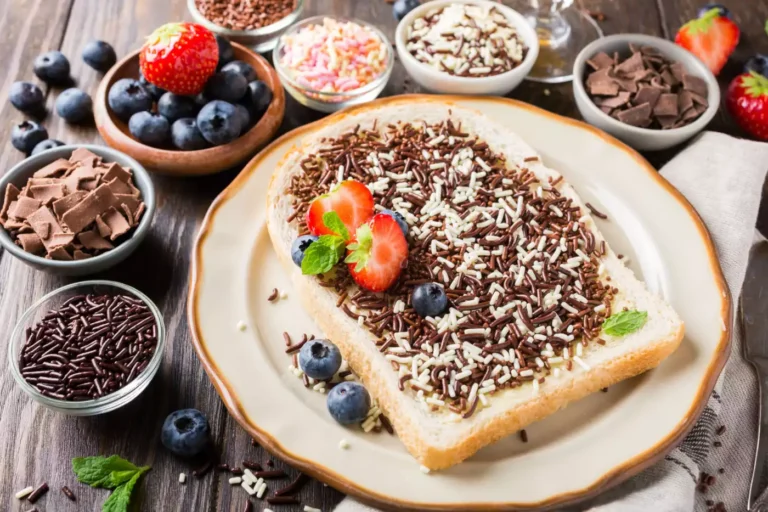
Bread with toppings like hagelslag (chocolate sprinkles), cheese, or peanut butter. Simple, sweet, and energizing.
How do you properly eat raw herring in the Netherlands?
Grab it by the tail, dip in onions, and slide it in whole. No utensils needed—pure street-style fun.
What makes rijsttafel so special?
It’s an Indonesian feast adapted by Dutch colonials—dozens of flavorful sides around rice. A party on a plate.
FAQ: Your Burning Questions Answered
What are the best Dutch snacks for beginners?
Start with bitterballen and stroopwafels. They’re approachable, delicious, and available everywhere.
Can I make Dutch food vegetarian?
Absolutely. Swap sausages for veggie versions in stamppot, or load up on cheese and mushroom kroketten.
Where can I buy authentic Dutch ingredients abroad?
Online shops like Dutch shops or specialty grocers stock Gouda, stroop, and rookworst.
Is Dutch cuisine influenced by other cultures?
Hugely—Indonesian rijsttafel and Surinamese flavors are woven in, making it a melting pot.
What’s the best time to visit for food festivals?
Summer for herring days, winter for oliebollen markets, and Sinterklaas for spiced treats.
Dutch food might not scream “gourmet” at first glance, but dig a little deeper, and you’ll find layers of history, heart, and happiness in every dish. Whether you’re mashing potatoes in your kitchen or planning a trip to the Low Countries, these flavors will pull you in. Grab a recipe, fire up the stove, and let the Netherlands come to you. What’s your first Dutch dish to try? Drop a comment—I’d love to swap stories.