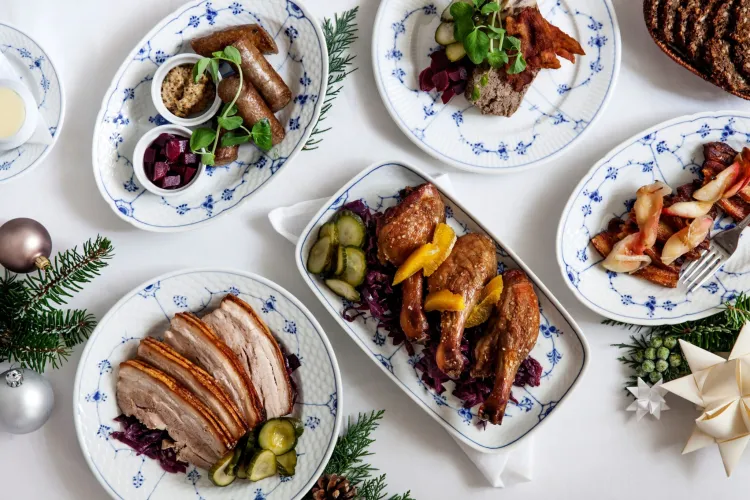
I’ve chased flavors across continents, but nothing quite hits like the first bite of a warm stamppot on a drizzly Dutch afternoon. As someone who’s logged countless miles through the Netherlands— from Amsterdam’s bustling markets to the wind-swept coasts of Zeeland—I’ve fallen hard for this cuisine. It’s not flashy or fussy; it’s honest, rooted in the land and sea, shaped by centuries of farming, fishing, and a dash of colonial flair from Indonesia. Think potatoes mashed with greens, crispy fried bites dunked in mustard, and sweets that melt your resolve. Whether you’re planning a trip or just craving a taste of Europe at home, these 30 traditional Dutch foods deliver pure joy. Let’s dive in, one delicious layer at a time.
Hearty Traditional Dutch Meals
Dutch meals are built for endurance—simple, filling, and perfect for those long, gray winters that make you grateful for a steaming plate. These dishes highlight the country’s agricultural heart, turning humble ingredients like potatoes and root veggies into soul-warming staples.
Stamppot
Stamppot is the undisputed king of Dutch comfort food, a one-pot wonder of mashed potatoes blended with vegetables like kale, carrots, or endive, then topped with gravy and a fat slice of rookworst smoked sausage. I still remember my first bowl in a cozy Utrecht café— the steam rising, the hearty bite chasing away the chill. It’s a winter ritual, often served family-style, and variations keep it fresh across regions. No wonder it’s a national obsession; it’s like a hug in a bowl.
Hutspot
Hutspot takes the stamppot idea and swaps in carrots and onions for a sweeter, earthier mash, traditionally paired with meatballs or bacon. Legend has it, this dish dates back to the 1574 Siege of Leiden, where locals celebrated freedom with whatever was left in the larder. Bite into it today, and you’ll taste history—soft, savory, with just enough crunch from the veggies. It’s lighter than some cousins but equally satisfying on a crisp day.
Kapsalon
Kapsalon burst onto the scene in 2003 when a Rotterdam barber craved the ultimate late-night fuel: fries layered with kebab, gooey cheese, salad, and garlic sauce. It’s chaotic, indulgent fast food at its best—think Dutch poutine with a Middle Eastern twist. Locals devour it after a night out, and honestly, it’s addictive. The name means “hair salon,” a nod to its creator, but one taste and you’ll forget the backstory.
Pea Soup (Erwtensoep or Snert)
Erwtensoep, or snert, is a thick, porridge-like pea soup loaded with split peas, leeks, carrots, and smoky pork or sausage. Eaten since medieval times, it’s the go-to for skating on frozen canals—thick enough to stand a spoon in. My version at a Haarlem market stall came with a side of pannenkoeken to soak up the broth. It’s rustic, nourishing, and the definition of hygge, Dutch-style.
Boerenkool met Rookworst
Boerenkool met rookworst is stamppot’s kale-heavy sibling, mashed with potatoes, bacon bits, and crowned by a juicy rookworst. Farmers’ wives perfected it generations ago, using what grew in the fields. The contrast of creamy mash and snappy sausage is magic, especially with a pool of gravy. It’s hearty without being heavy—pure fuel for a day exploring tulip fields.
Dutch Pancakes (Pannenkoeken)
Pannenkoeken are oversized, thin pancakes that blur the line between meal and dessert, stuffed with bacon, cheese, apples, or syrup. Unlike American stacks, these are dinner fare in pancake houses across the country. I once devoured a bacon-filled one riverside in Gouda, washed down with beer. They’re versatile, fun to customize, and a hit with kids and adults alike.
| Stamppot Variations | Key Ingredients | Best Paired With |
|---|---|---|
| Boerenkool | Kale, potatoes, bacon | Rookworst, mustard |
| Hutspot | Carrots, onions, potatoes | Meatballs, gravy |
| Andijvie | Endive, potatoes | Fried onions, sausage |
| Zuurkool | Sauerkraut, potatoes | Bacon, pork chops |
Pros of Dutch Meals: Incredibly affordable, shareable, and packed with veggies for balance.
Cons: Can feel heavy if you’re not used to the portions—pace yourself!
Irresistible Dutch Street Snacks
Street snacks are where Dutch ingenuity shines—quick, portable bites born from market stalls and frituur fry shops. These are the everyday heroes that fuel cyclists and canal-hoppers alike. Grab a few and join the locals in that perfect rhythm of crunch and chat.
Dutch French Fries (Patat or Frietjes)
Patat are twice-fried for that golden crisp, slathered in mayo, curry ketchup, or fritessaus. Forget thin American fries; these are thick, fluffy inside. A cone from a Amsterdam kiosk after a bike ride? Life-changing. The Dutch eat them like candy—simple, addictive, and always better with a side of bitterballen.
Worstenbroodjes
Worstenbroodjes wrap savory beef sausage in fluffy pastry, a Brabant specialty that’s like a portable hot dog but way better. Fresh from the oven, they’re flaky and juicy, often dipped in ketchup. I snag them at train stations for the ultimate on-the-go breakfast. They’re a bakery staple, evoking cozy mornings in Eindhoven.
Kroket
Kroketten are crispy cylinders of beef ragout, breaded and deep-fried to perfection—dip in mustard for the full effect. The creamy interior explodes with flavor, a bar snack icon. Watch out; they’re molten inside. My first one at a Leiden fair left me hooked, despite the minor tongue burn. Variations like shrimp or cheese keep it exciting.
Frikandel
Frikandel is a skinless sausage of minced meat, grilled or fried, then slathered in sauces for frikandel speciaal. It’s the ultimate guilty pleasure—juicy, spiced just right. Eaten with fries at late-night stands, it’s a rite of passage. Lighter than you’d think, but don’t ask what’s in it; just enjoy.
Bitterballen
Bitterballen are bite-sized kroket cousins, stuffed with veal ragout and fried to a crackle. Paired with beer and mustard, they’re the life of any borrel (happy hour). I laughed through my first tray in a smoky Amsterdam bar—the oozy center is worth the wait. They’re so beloved, supermarkets sell frozen packs for home.
Kibbeling
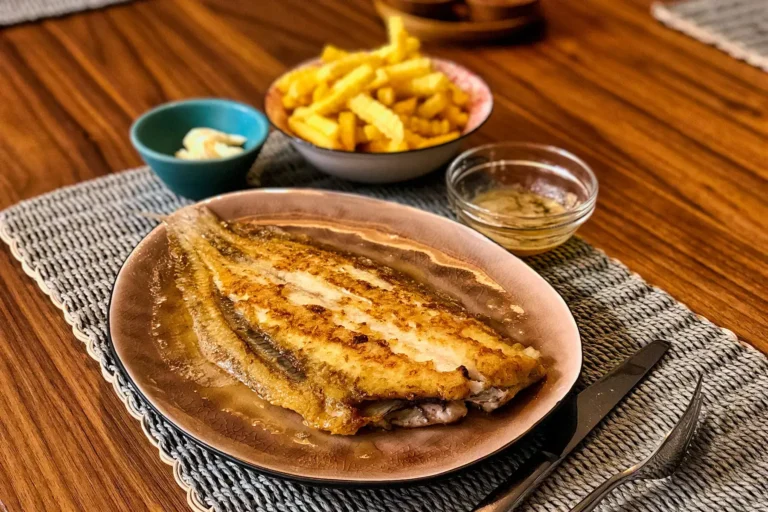
Kibbeling are battered chunks of fresh whitefish—cod or pollock—fried crisp and served with tartar sauce. Coastal towns like Scheveningen do it best, evoking fish-and-chips but fresher. The light batter lets the ocean shine through. One sunny afternoon in Zeeland, it was my perfect lunch by the sea.
Bamiblok
Bamiblok fries up Indonesian-inspired bami noodles in a crispy shell, a colonial nod that’s now pure Dutch. Tangy, spicy, and satisfying with ketchup. It’s a frituur favorite, blending East and West seamlessly.
Nasischijf
Nasischijf does the same for nasi goreng rice—spicy, fried, and encased in dough. A quick heat-up at markets, it’s bold and addictive. Indonesian roots make it a flavorful twist on street eats.
Raw Herring
Raw herring, or haring, is eaten whole—head back, tail in hand—with onions and pickles. It’s briny, fresh, and surprisingly mild. Flag Day in June celebrates the new catch. I tried it in Rotterdam, skeptical at first, but the clean oceanic pop won me over. A true taste of the North Sea.
Comparison: Snacks vs. Meals
- Snacks: Quick, fried, social—ideal for grazing.
- Meals: Slow, mashed, comforting—built for lingering.
Decadent Dutch Desserts and Sweets
Dutch sweets balance indulgence with everyday charm, from market waffles to birthday pastries. They’re the reward after a day of exploring, often shared over coffee.
Dutch Apple Pie (Appeltaart)
Appeltaart piles spiced apples, raisins, and almonds under a buttery lattice crust, dusted with sugar. It’s been a staple since the Middle Ages, served warm with whipped cream. My grandma’s version (inspired by Dutch friends) beats any bakery. It’s homey, nostalgic, and the ultimate crowd-pleaser.
Dutch Waffles (Stroopwafel)
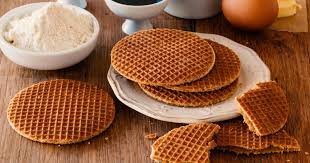
Stroopwafels sandwich caramel syrup between two thin, crisp wafers—heat them over your coffee for gooey perfection. Born in Gouda, they’re a global export now. Fresh at markets? Unbeatable. I smuggle packs home, but nothing beats the real deal.
Poffertjes
Poffertjes are mini yeast pancakes, fluffy and dusted with powdered sugar and butter. Festival staples, they’re made in special pans for that signature rise. Watching them cook at a Christmas market in The Hague is half the fun. Sweet, light, and dangerously moreish.
Hagelslag
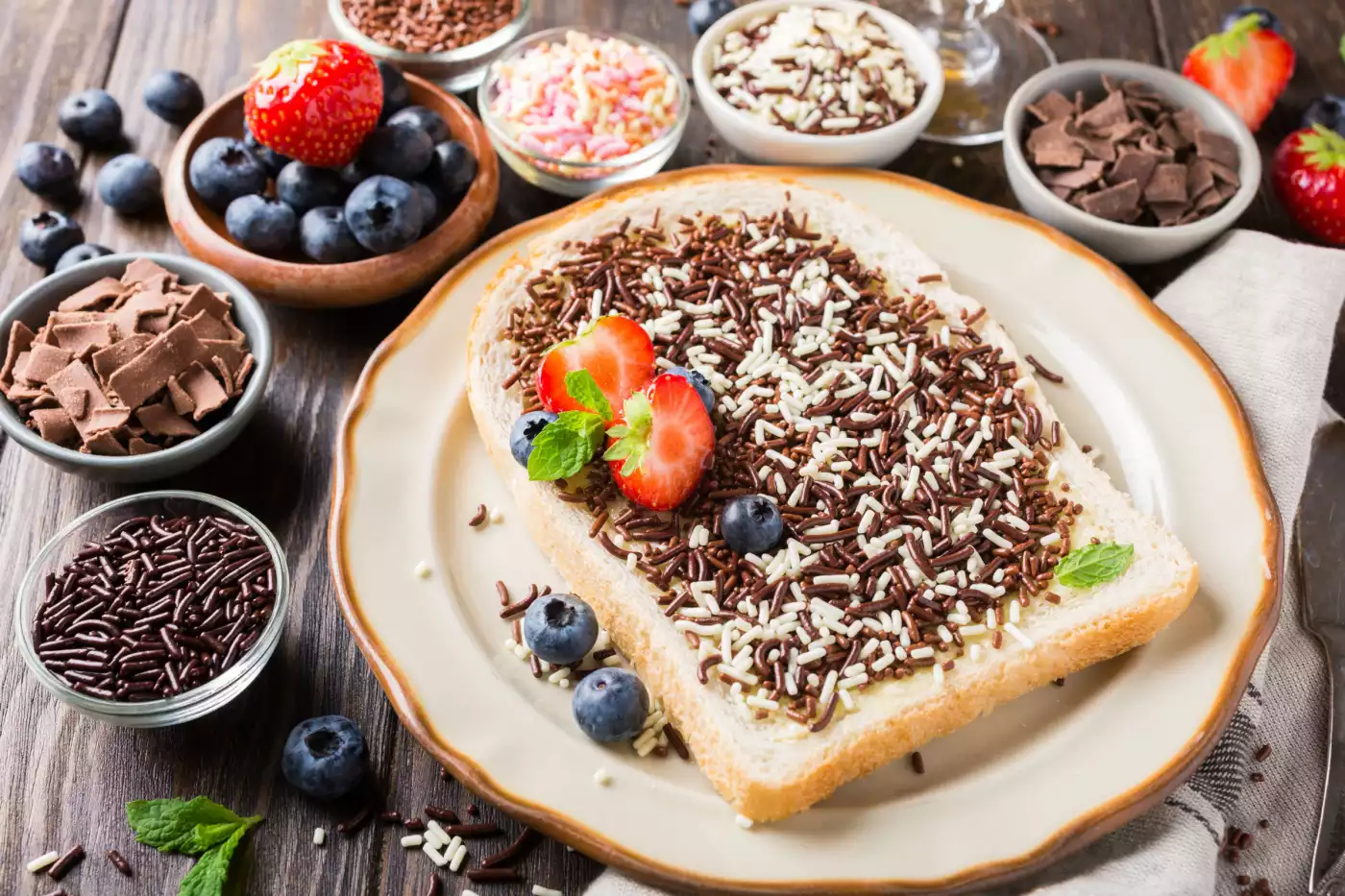
Hagelslag sprinkles chocolate (or fruity) bits on buttered bread for breakfast. The Dutch eat more per capita than anyone. Milk, dark, or white—it’s a kid’s dream and adult guilty pleasure. I still sprinkle it on toast, channeling lazy Amsterdam mornings.
Speculaas Cookie
Speculaas cookies are spiced with cinnamon, ginger, and cloves, often shaped like windmills or Sinterklaas figures. Dunk in coffee for bliss. These crunchy treats scream holidays, but you’ll crave them year-round.
Speculoos Cookie Spread
Speculoos spread turns those cookies into a creamy, spiced butter—slather on everything. It’s the Dutch answer to Nutella, with a warmer kick. Perfect for pancakes or straight from the jar.
Tompouce
Tompouce layers puff pastry with vanilla cream and pink icing, a messy delight for celebrations. The “Dutch Napoleon” is tricky to eat gracefully, but who cares? It’s creamy, flaky heaven.
Unique Traditional and Regional Specialties
These standouts capture the Netherlands’ diverse soul—from salty candies to festive bites. Regional pride runs deep here.
Drop (Licorice)
Drop is licorice in every form—salty, sweet, hard, soft. The Dutch consume more than any nation, and it’s polarizing. I grew to love the anise kick, especially the salty zoute drop. An acquired taste? Absolutely, but a conversation starter.
Pros of Drop: Unique, addictive for fans; aids digestion.
Cons: Overwhelming for newcomers; the salt can surprise.
Dutch Cheese
Dutch cheese stars Gouda, Edam, and boerenkaas—creamy, nutty, aged to perfection. Markets in Gouda buzz with wheels and samples. I toured a farm once; the raw-milk magic is unreal. Pair with bread and wine for bliss.
Ossenworst
Ossenworst is spiced beef sausage, thinly sliced with pickles—raw, bold, and deli-fresh. A Amsterdam classic, it’s like charcuterie on steroids.
Limburgse Vlaai
Limburgse vlaai is a thin-crust pie filled with fruit, custard, or rice pudding. Limburg’s birthday hero, it’s tender and fruity. One slice in Maastricht, and you’re hooked.
Bossche Bol
Bossche bol is a cream-filled choux puff drowned in chocolate—eat upside-down to avoid drips. Den Bosch’s pride, it’s decadent and fun.
Oliebollen
Oliebollen are fried dough balls with raisins or apples, sugared for New Year’s. Street stands in winter are magical. Fluffy, fruity, and festive.
Beschuit met Muisjes
Beschuit met muisjes toasts rusk with anise seeds in pink or blue for births—sweet, crunchy celebration.
Kruidnoten or Pepernoten
Kruidnoten are spiced mini-cookies for Sinterklaas, peppery and addictive. Pepernoten add anise for extra zing. Holiday essentials.
People Also Ask About Traditional Dutch Food
What is the most famous Dutch food?
Stamppot and bitterballen top the list, but stroopwafels are the sweet export star. They’re accessible, iconic, and embody the practical Dutch spirit.
What do Dutch people eat for breakfast?
Bread with hagelslag, cheese, or beschuit met muisjes—simple, sweet, and quick. No elaborate spreads; it’s fuel for the day.
Is Dutch food spicy?
Not really—it’s mild and hearty, with Indonesian influences adding heat in rijsttafel or nasi snacks. Think comfort over fire.
Where to get the best traditional Dutch food in the Netherlands?
Amsterdam’s Albert Cuyp Market for street eats, Gouda for cheese, or Leiden for herring. Local frituur and pancake houses nail the classics.
How healthy is traditional Dutch food?
Balanced with veggies in stamppot, but fried snacks tip the scale. Moderation is key—walk it off on the canals!
FAQ: Your Burning Questions on Dutch Cuisine
What’s the best way to try 30 types of Dutch food without traveling?
Hit international grocers for stroopwafels and hagelslag, or recreate stamppot at home. Online Dutch shops ship the real deal.
Are there vegetarian options in traditional Dutch food?
Yes! Poffertjes, pannenkoeken (cheese or apple), and cheese plates shine. Many frituur spots offer veggie kroketten now.
How does Dutch food compare to Belgian or German?
Simpler and less saucy than Belgian, heartier than German but with more sweets. The fries and waffles set it apart.
Can I make these at home easily?
Absolutely—stamppot takes 30 minutes. Stroopwafels need a waffle iron, but the payoff is huge.
What’s a good Dutch food gift?
A box of speculaas or aged Gouda—non-perishable and universally loved.
Dutch food isn’t about perfection; it’s about connection—to land, history, and each other. Whether you’re in a bustling market or your kitchen, these 30 treasures promise warmth and wonder. Next time you’re craving something real, skip the trends and go Dutch. Smakelijk eten!