I still remember the first time I sank my teeth into a proper Danish smørrebrød in a tiny Copenhagen café, the kind where the walls are lined with faded photos of old fishermen and the air smells faintly of dill and smoked fish. It was a simple thing—a slice of dense rye bread piled high with pickled herring, red onions, and a dollop of remoulade—but it hit me like a warm hug on a blustery North Sea day. That’s Danish cuisine in a nutshell: unpretentious, rooted in the land and sea, and designed for those long, dark winters when you need something hearty to fuel the soul.
If you’re dreaming of hygge—the Danish art of cozy contentment—then diving into traditional Danish dishes is the ultimate way to get there. From the national obsession with pork to the endless variations of open-faced sandwiches, these foods tell the story of a resilient people who turned simple staples into legends. Whether you’re planning a trip to Denmark or just craving a taste of Scandinavia at home, this guide will walk you through the must-try classics, their histories, and how to savor them like a local. Let’s dig in.
The Humble Origins of Danish Cuisine
Danish food has always been about making the most of what the short summers and harsh winters provide. Back in the Viking era and through the peasant farming days, families relied on rye fields, potato patches, and the bounty of the Baltic and North Seas. Pork became king because pigs were easy to raise on scraps, and fish was preserved through pickling or smoking to last the cold months.
Industrialization in the 19th century brought meat grinders and wood-burning stoves, sparking a boom in ground meat dishes and roasts. But the core stayed true: simple, seasonal, and shared around the table. Today, this legacy lives on in family dinners and festive spreads, even as New Nordic cuisine puts a gourmet spin on it. It’s food that whispers “welcome home” with every bite.
Core Ingredients That Define Danish Flavors
At the heart of every traditional Danish meal are a handful of ingredients that scream “Nordic.” These aren’t fancy imports—they’re the everyday heroes grown or caught right here.
Rye Bread (Rugbrød) – The Unsung Hero
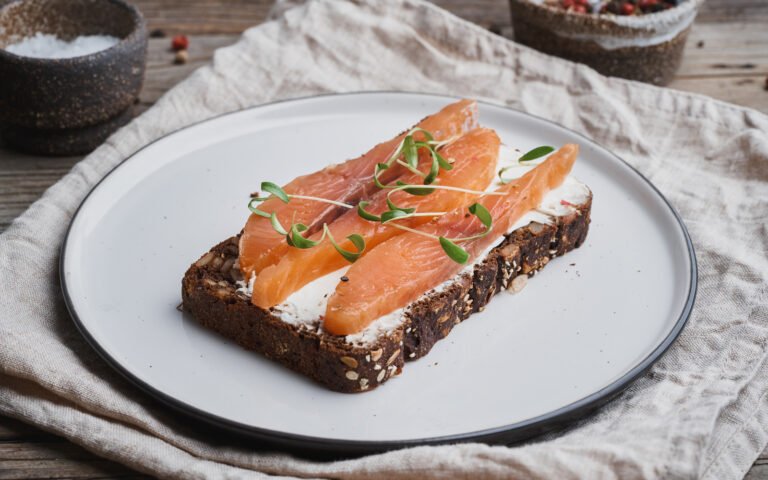
You can’t talk Danish food without rugbrød, that dark, dense loaf packed with whole grains, seeds, and a tangy sourdough bite. Baked since Viking times, it’s the sturdy base for smørrebrød and a side for everything from soups to roasts. Its chewiness soaks up sauces perfectly, and honestly, once you try it fresh from a bakery, supermarket white bread feels like a betrayal.
Pork – The King of Danish Tables
Pigs have ruled Danish kitchens for centuries, from crispy crackling roasts to juicy meatballs. It’s affordable, versatile, and ties into the country’s farming heritage. Danes eat more pork per capita than almost anyone, and it’s no wonder—nothing beats the salty snap of fried belly.
Potatoes and Dairy – The Comfort Staples
Boiled or caramelized, potatoes are the reliable sidekick to meats and fish. Pair them with creamy sauces or fresh butter, and you’ve got hygge on a plate. Dairy shines too, in everything from thick parsley sauces to whipped cream desserts, thanks to those lush green pastures.
Fish and Pickles – Gifts from the Sea
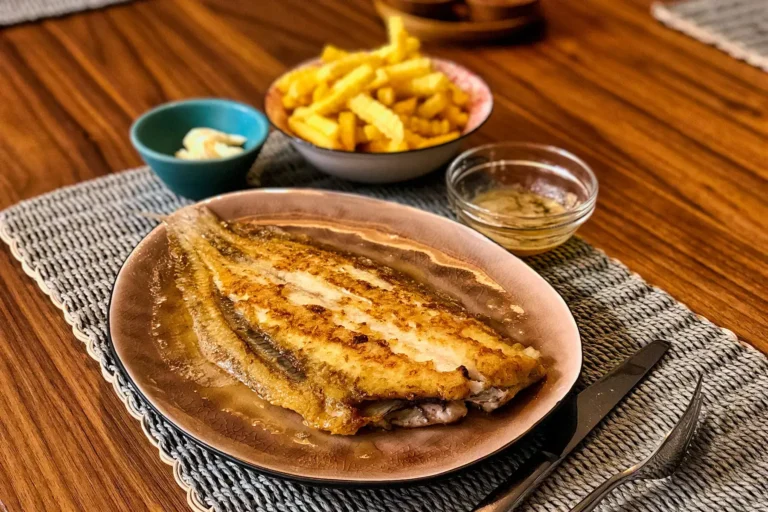
Herring, cod, and plaice come straight from the surrounding waters, often pickled for that bright, briny punch. Dill, mustard, and beets add zing, turning humble catches into stars.
Iconic Open-Faced Sandwiches: Smørrebrød
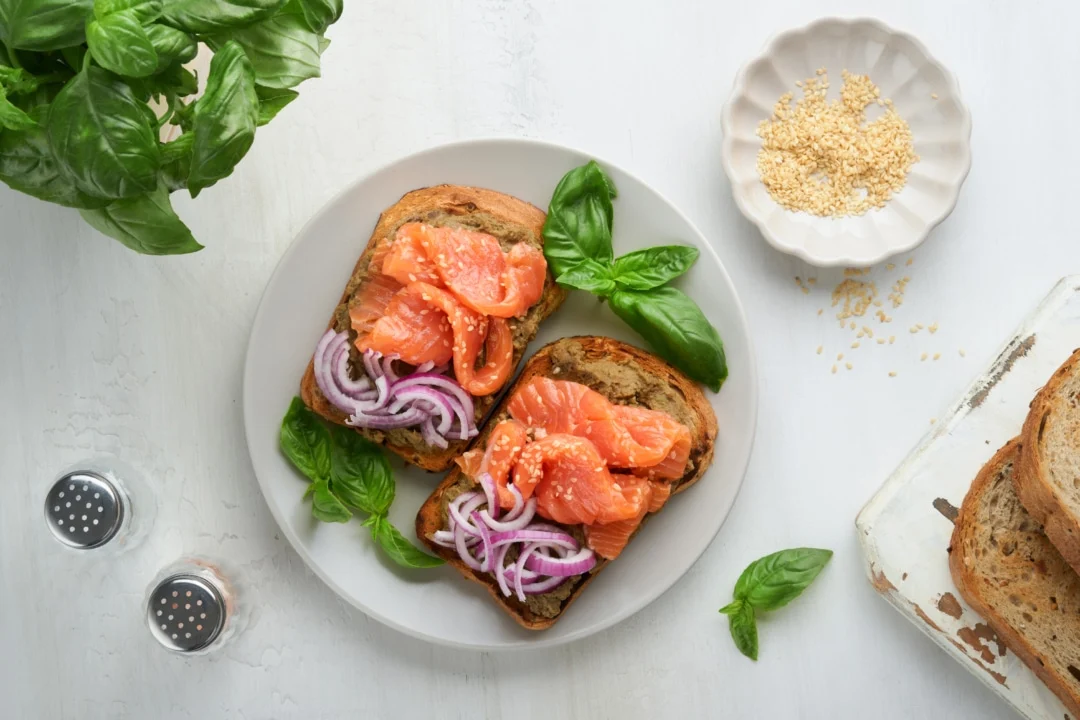
If there’s one dish that captures the Danish spirit, it’s smørrebrød—literally “buttered bread.” Born in the 1800s as a practical lunch for farmhands, these open-faced beauties evolved into an art form. A thin slice of buttered rugbrød gets topped with proteins, veggies, and garnishes, eaten in a specific order: fish first, then meat, then cheese or sweets.
The best ones balance creamy, crunchy, tangy, and savory in every bite. Locals debate the “right” way, but the rule is simple: eat with a knife and fork, and wash it down with beer or snaps.
Herring Smørrebrød – The Briny Classic
Pickled herring on rye, topped with red onions, dill, and maybe a raw egg yolk for “Sol over Gudhjem” (Sun over Gudhjem, named after a Bornholm village). It’s salty, sweet, and utterly addictive—perfect for starting a meal or a lazy Sunday lunch.
Shrimp and Egg – The Luxe Lunch
A mountain of tiny pink shrimp, hard-boiled egg slices, mayo, and lemon on rye. Light yet indulgent, it’s the go-to for office workers and tourists alike. I once devoured three in a row at Torvehallerne market and felt like royalty.
Roast Beef and Remoulade – The Hearty Favorite
Thin slices of rare roast beef, crispy fried onions, pickled cucumber, and that tangy remoulade sauce (mayo with herbs and pickles). It’s a flavor bomb that screams Danish comfort.
Here’s a quick table of popular smørrebrød varieties to get you started:
| Variety | Key Toppings | Best Paired With |
|---|---|---|
| Sild (Herring) | Pickled herring, onion, dill, egg | Snaps and rye bread |
| Rejemad (Shrimp) | Shrimp, mayo, lemon, egg | Cold beer |
| Roast Beef | Beef, remoulade, onions, pickles | Red cabbage |
| Leverpostej | Liver pâté, bacon, mushrooms, beets | Dark bread |
| Stjerneskud | Fried plaice, shrimp, caviar, lemon | White wine |
Hearty Main Courses That Warm the Soul
When the sun sets early and the wind howls, Danes turn to these rib-sticking mains. They’re the kind of dishes that make you loosen your belt and linger at the table.
Stegt Flæsk med Persillesovs – Denmark’s National Dish
Voted the country’s favorite in 2014, this is crispy pork belly fried to golden perfection, served with boiled potatoes and a velvety parsley sauce. The crackling skin gives way to tender meat, while the sauce—made from roux, milk, and fresh herbs—cuts through the richness. It’s pure joy, especially in winter. Pro tip: Some spots offer all-you-can-eat versions, but pace yourself—you’ll want seconds.
Frikadeller – Versatile Danish Meatballs
These pan-fried beauties mix ground pork (or pork and veal) with onion, egg, milk, and breadcrumbs. Pan-seared until crispy outside and juicy inside, they’re served with potatoes, red cabbage, and gravy for dinner—or on smørrebrød for lunch. My aunt in Aarhus makes them with a secret pinch of allspice, and they’re the ultimate crowd-pleaser at family gatherings.
Flæskesteg – Roast Pork Perfection
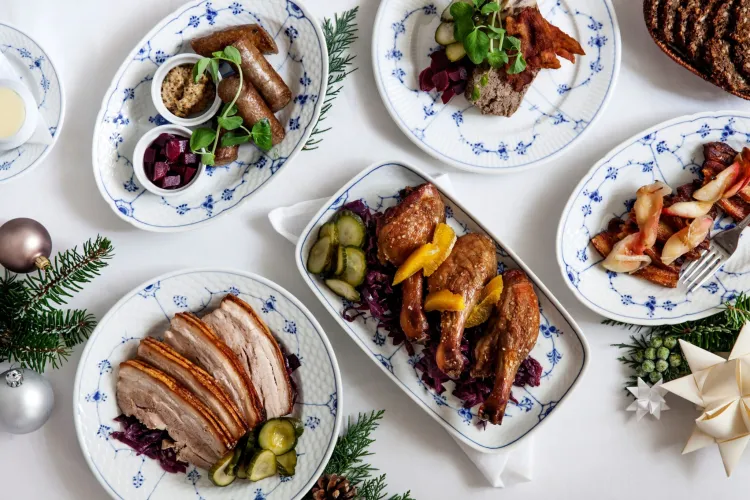
A whole pork roast with crackling skin, often stuffed with prunes and apples for Christmas. Sliced thin, it’s paired with caramelized potatoes and red cabbage. The fat renders into pure flavor, making it a holiday staple that feels like a warm embrace.
Seafood Treasures from the Seas
Denmark’s 7,300 miles of coastline mean fish isn’t just food—it’s a way of life. Fresh, preserved, or smoked, it shines in simple preparations.
Pickled Herring and More
From curry-spiced to plain vinegar, herring is everywhere. Try it fried with potato stew or in a “burning love” mash with bacon and onions. Bornholm’s smoked versions are legendary—salty, woody, and perfect with aquavit.
Fiskefrikadeller – Fish Cakes
Ground fish (cod or haddock) mixed with herbs and fried like meatballs. Served with remoulade and lemon, they’re lighter than meat versions but just as satisfying.
Sweet Endings and Festive Treats
No Danish meal ends without something sweet. These desserts are nostalgic bites of childhood.
Wienerbrød – The Real Danish Pastry
Forget the American “Danish”—these flaky, buttery pastries hail from Vienna but were perfected here. Cinnamon snails (kanelsnegl) or cream-filled horns are bakery staples. Grab one with coffee for that true morning hygge.
Æbleskiver – Christmas Delights
Puffy pancake balls cooked in a special pan, dusted with powdered sugar and served with jam. They’re like mini doughnuts, best hot from the stove during December markets.
Rødgrød med Fløde – Berry Bliss
A simple stew of red berries thickened and poured over cream. It’s the taste of summer, tart and creamy.
Regional Twists on Tradition
Denmark’s small size hides delicious diversity.
Bornholm’s Smoked Delicacies
This Baltic island is smokehouse central. “Sol over Gudhjem” herring with egg yolk is a must—smoky, sunny, and unforgettable.
Jutland’s Rustic Heartiness
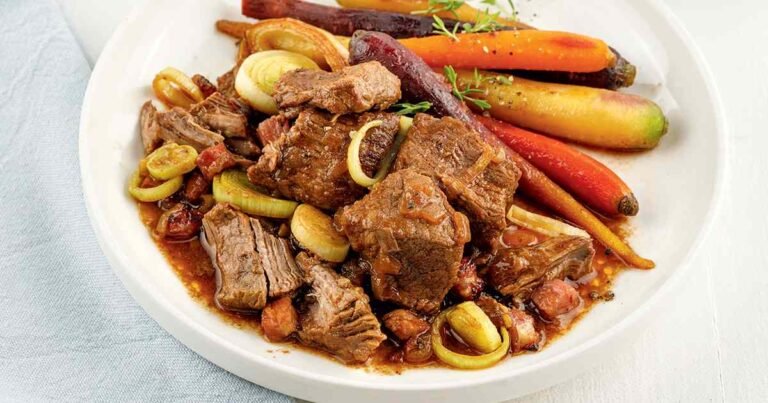
The mainland loves bold flavors: boller i karry (meatballs in curry) and grønlangkål (kale stew). Hearty and unapologetic.
Pairings and Traditions: Beer, Snaps, and Beyond
Danish meals aren’t complete without drinks. Local beers like Carlsberg pair with everything, but snaps (aquavit) is the star—herb-infused shots that cut through fats. Toast with “skål!” and feel the warmth spread.
Bringing Danish Cuisine Home: Recipes and Tips
Want to recreate the magic? Start simple. For frikadeller, mix 500g ground pork, grated onion, egg, milk, and flour; fry in butter. For stegt flæsk, crisp pork slices in a hot pan and make parsley sauce from butter, flour, milk, and herbs.
Pros and Cons of Traditional Danish Food
- Pros: Incredibly satisfying, uses fresh local ingredients, fosters family bonding.
- Cons: Can be heavy on pork and calories; not ideal for vegetarians (though modern twists help).
Comparison: Traditional vs. New Nordic Danish Cuisine
| Aspect | Traditional | New Nordic |
|---|---|---|
| Focus | Pork, rye, potatoes | Foraged herbs, seafood |
| Style | Hearty, homey | Innovative, Michelin-level |
| Best For | Everyday comfort | Special occasions |
People Also Ask About Traditional Danish Cuisine
What are the most popular traditional Danish dishes?
Smørrebrød, frikadeller, and stegt flæsk top the list—easy to find and endlessly craveable.
What’s Denmark’s national dish?
Stegt flæsk med persillesovs, crispy pork with parsley sauce and potatoes, crowned by a public vote.
How do Danes eat smørrebrød?
With knife and fork, in order: fish, meat, then cheese. Always butter the rye bread first.
Where can I try authentic Danish food in Copenhagen?
Head to Aamanns or Schønnemann for classic smørrebrød, or family spots like M.G. Petersens for mains.
Are Danish pastries really Danish?
The wienerbrød style is, though it started with Austrian bakers in the 1800s.
FAQ: Your Burning Questions on Traditional Danish Dishes
What makes Danish food so unique?
It’s all about balance—rich meats cut by bright pickles, all on a foundation of rye and potatoes. Plus, the emphasis on sharing and coziness.
Can I make traditional Danish dishes vegetarian?
Absolutely. Swap pork for mushrooms in frikadeller or try veggie smørrebrød with roasted roots and cheese.
What’s the best time to visit for Danish food festivals?
Christmas markets for æbleskiver and julefrokost buffets, or summer for fresh seafood and berries.
How does Danish cuisine compare to Swedish or Norwegian?
Similar roots in fish and potatoes, but Danes lean heavier on pork and open sandwiches.
Where to buy ingredients for Danish recipes abroad?
Look for rugbrød in Scandinavian shops, or order online. Aquavit is widely available now.
Danish cuisine isn’t flashy—it’s the quiet hero that turns a simple supper into something special. Next time you’re craving comfort with a Nordic twist, reach for these dishes. They’ll transport you straight to a candlelit table by the fjord. Skål!