Belgium’s cuisine is a delicious surprise for many travelers. Often overshadowed by its neighbors—France’s refinement, the Netherlands’ simplicity, or Germany’s hearty portions—Belgian food blends the best of those worlds into something uniquely satisfying. Think rich, comforting dishes elevated by quality ingredients, paired with world-class beer and chocolate. I’ve wandered the streets of Brussels, Bruges, and Ghent multiple times, and every trip reminds me why this small country punches way above its weight in the food department.
Belgian cooking draws from French elegance (think delicate sauces and butter) but adds Flemish heartiness (lots of beer in stews and generous portions). Regional differences shine through: Flanders in the north leans toward Dutch-influenced, straightforward fare, while Wallonia in the south embraces more French-style sophistication with game meats and rich gravies. Brussels sits in the middle, mixing both with its own flair.
The National Dish: Moules-Frites (Mussels and Fries)
No discussion of Belgian food starts anywhere else. Moules-frites is the undisputed national dish—steamed mussels in a garlicky white wine broth, served alongside a mountain of golden fries.
Belgians steam mussels simply: shallots, celery, white wine, butter, and parsley. Some add cream for a richer version (à la crème), or beer for extra depth. The key is freshness—North Sea mussels peak from September to spring.
And those fries? Belgium claims invention (sorry, France). They’re thick-cut, double-fried in beef tallow for crisp exteriors and fluffy insides, served in paper cones with mayo or sauces like andalouse (spicy mayo-ketchup mix).
I once sat at a tiny spot in Bruges during a rainy afternoon, devouring a steaming pot of moules while the fries stayed hot under a napkin. Pure comfort.
Belgian Fries: The Real Deal
Frites aren’t a side—they’re a meal. Vendors (friteries or fritkots) dot every city, offering dozens of sauces.
Popular toppings include:
- Samurai (spicy)
- Samurai (spicy mayo)
- Tartare (mayo with pickles and herbs)
- Curry ketchup
Pros of Belgian frites:
- Double-frying creates unbeatable texture
- Beef fat adds rich flavor (vegetarians beware—ask!)
- Endless sauce variety
Cons:
- Calorie-heavy (but worth it)
- Hard to replicate at home without proper fryer
Where to try: Maison Antoine in Brussels—legendary since 1948.
Belgian Waffles: Brussels vs. Liège
Belgian waffles aren’t one thing. There are two stars:
Brussels waffles — Light, rectangular, yeasted batter for airy pockets. Crispy outside, soft inside. Often plain or with whipped cream and strawberries (as introduced at the 1964 New York World’s Fair by Maurice Vermersch’s family, who renamed them “Belgian” for Americans who couldn’t say “Brussels”).
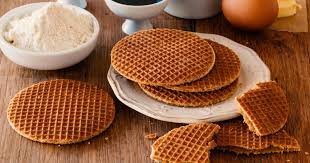
Liège waffles — Dense, chewy, with pearl sugar chunks that caramelize. Dough-like batter, more like brioche. Street food favorite, eaten plain or dusted with powdered sugar.
History note: Waffles trace back to medieval Europe, but Belgium perfected them. Liège style supposedly came from a prince-bishop’s chef adding sugar. Brussels version gained fame internationally.
I’ve burned my fingers on fresh Liège waffles from street carts in Liège—sweet, sticky perfection.
Hearty Stews: Carbonnade Flamande and Waterzooi
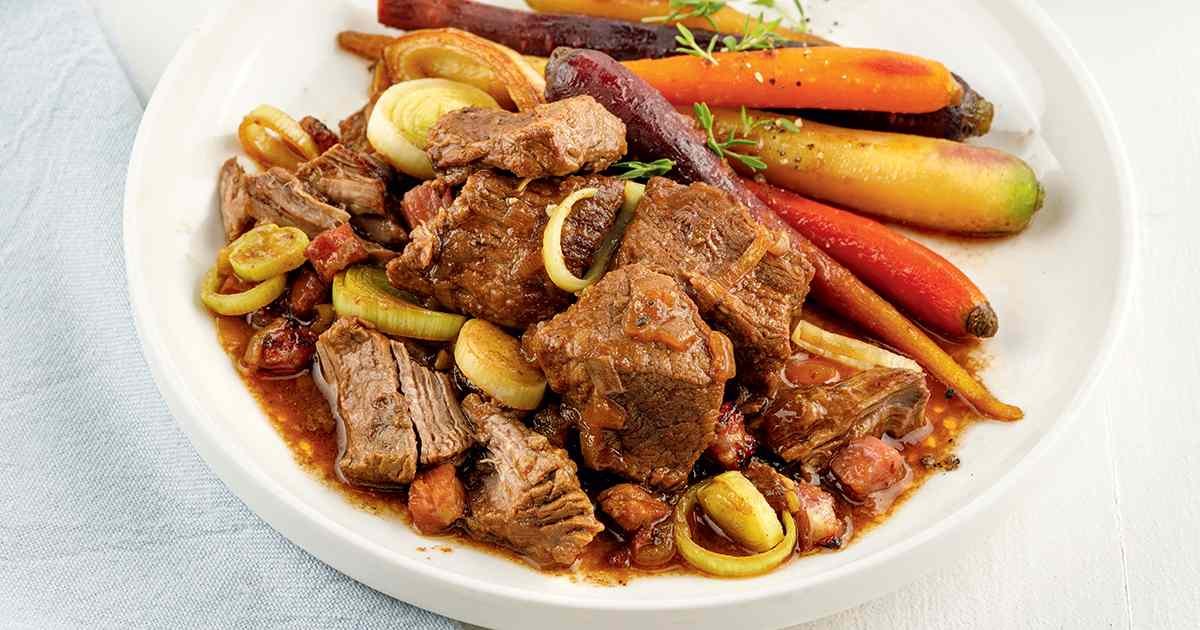
Carbonnade flamande (or stoofvlees) is beef slow-cooked in dark beer with onions, bread, mustard, and herbs. Sweet-sour, rich, melt-in-your-mouth. Flanders’ ultimate comfort food.
Waterzooi from Ghent: Creamy stew of chicken (or fish) with leeks, carrots, potatoes, egg yolks, and cream. Gentle, nourishing—perfect on chilly days.
Both showcase beer in cooking, a Belgian hallmark.
Belgian Chocolate: Pralines and Beyond
Belgium didn’t invent chocolate, but it revolutionized it. Jean Neuhaus invented the praline in 1912—a hard shell with soft filling.
Brands like:
- Neuhaus — Birthplace of the praline and ballotin box (elegant gift packaging).
- Godiva — Luxury, founded 1926, now global.
- Leonidas — Affordable quality, fresh daily.
Belgians eat chocolate daily—pralines as gifts or treats. Dark, milk, filled with ganache, nuts, or liqueur.
Fun fact: Belgium’s Congo colony provided cheap cocoa, fueling the industry.
Belgian Beer: More Than Trappist
Belgium has over 1,500 beers. Trappist ales (brewed by monks) are legendary: Westvleteren 12 (often world’s best), Chimay Blue, Orval, Rochefort 10, Westmalle Tripel.
Styles include:
- Dubbel (dark, malty)
- Tripel (strong, golden)
- Lambic (sour, wild-fermented)
- Saison (spicy, farmhouse)
Pair with food—beer in stews, or cheese with strong ales.
Regional Differences: Flanders vs. Wallonia
Flanders (Dutch-speaking north):
- Hearty, beer-infused
- Stews, sausages, stoemp (mashed potatoes with veggies)
Wallonia (French-speaking south):
- Rich sauces, game (boar, venison)
- Boulets à la Liégeoise (meatballs in sweet-sour sauce)
Brussels blends both, plus international flair.
Comparison: Iconic Belgian Foods
| Dish | Region/Origin | Key Ingredients | Best Paired With | Must-Try Spot Example |
|---|---|---|---|---|
| Moules-Frites | National | Mussels, white wine, fries | White beer (Witbier) | Chez Léon, Brussels |
| Carbonnade Flamande | Flanders | Beef, dark beer, onions | Belgian Dubbel | In Bruges taverns |
| Waterzooi | Ghent | Chicken/fish, cream, veggies | Light beer | Ghent restaurants |
| Liège Waffle | Wallonia | Pearl sugar, brioche dough | Coffee | Street vendors |
| Pralines | Brussels | Chocolate, fillings | Espresso | Neuhaus shops |
People Also Ask
What is the most famous food in Belgium?
Moules-frites tops the list, followed by fries, waffles, and chocolate.
Is Belgian food like French food?
It borrows French techniques (sauces, finesse) but adds hearty Flemish elements and beer.
What do Belgians eat for breakfast?
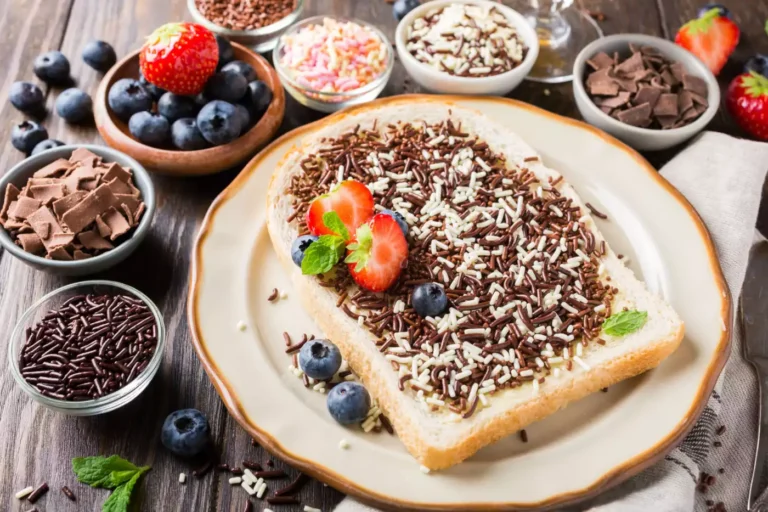
Often simple: bread with spreads, coffee, or pastries. Weekend waffles or pistolets (small rolls).
Are Belgian fries really better?
Yes—double-fried, thicker, and served fresh. UNESCO even recognizes Belgian beer culture, but fries are a close contender.
What’s unique about Belgian chocolate?
Pralines, high cocoa butter content, fresh fillings—no preservatives.
FAQ
What are must-try Belgian dishes for first-timers?
Start with moules-frites, Belgian fries with mayo, a Liège waffle, and pralines. Add a Trappist beer.
How do Belgian waffles differ from American ones?
Authentic ones are less sweet, eaten plain or lightly topped—no massive syrup stacks. Brussels style is lighter; Liège is denser with caramelized sugar.
Is Belgian cuisine vegetarian-friendly?
Improving, but traditional dishes often include meat or animal fat in fries. Many friteries offer veggie options, and chocolate/beer are safe.
Where can I learn more about Belgian food?
Check Visit Flanders or Wallonia tourism sites for recipes and tours. Books like “Everybody Eats When They Come to My House” capture the spirit.
Belgian food isn’t flashy—it’s honest, flavorful, and meant to be enjoyed slowly with friends. Next time you’re in Europe, skip the obvious and head here. Your taste buds will thank you.